
 +971 52 110 0777


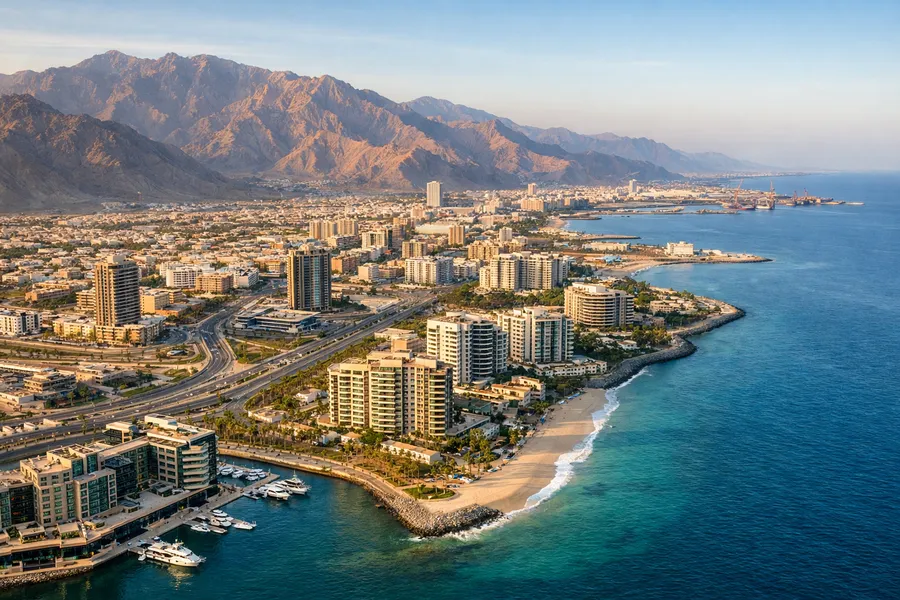

Fujairah is the only emirate in the UAE located on the Gulf of Oman, offering direct access to the Indian Ocean. This unique positioning makes it strategically important for shipping, logistics, and tourism. Against the backdrop of ongoing development of its port, airport, and free economic zone, interest in Fujairah real estate continues to grow steadily. Buyers increasingly view property in Fujairah as an affordable alternative to Dubai, combining a more relaxed lifestyle with consistent demand for both long-term and holiday rentals.
In this guide, we take a structured look at the real estate market in Fujairah—covering current property prices, the best areas to live in Fujairah, infrastructure, legal considerations for foreign buyers, and core investment scenarios. The goal is to help you make an informed decision when you buy property in Fujairah and to assess the broader investment potential of real estate in Fujairah, UAE.
Note: Prices are indicative, listed in US dollars, and may vary depending on the AED/USD exchange rate, project stage, and availability in specific locations.
Fujairah at a Glance: Location, Economy and Development Potential
Where is Fujairah and Why It Matters
Fujairah is the only emirate in the UAE located entirely along the Gulf of Oman, at the foothills of the Hajar Mountains. Its geography directly shapes both its economic profile and its appeal to investors: a deep-water port, direct access to the Indian Ocean, well-established logistics networks, and strong recreational potential. Official information on the UAE’s regional structure and infrastructure can be found on the government portal UAE Government Portal.
- Location: the UAE’s east coast along the Gulf of Oman, with the Hajar Mountains forming a natural backdrop.
- Connectivity: road access via the E84 (Sheikh Khalifa Bin Zayed Road) toward Dubai and Sharjah; travel time from Fujairah to Dubai typically ranges from 1.5 to 2 hours (approximately 120–130 km, depending on traffic).
- Port and airport: an international port—one of the region’s largest bunkering hubs—and an airport support import-export operations, tourism, and MICE activity.
- Climate and environment: a mild coastal climate, mountainous terrain nearby, and popular beaches and diving spots in Al Aqah and Dibba.
Key fact: Fujairah is the only emirate with direct access to the Gulf of Oman, reducing reliance on the Strait of Hormuz and enhancing the region’s logistical resilience.
For reference: Dubai is 1.5–2 hours away by car, while one-bedroom apartments in the city start at approximately $120,000–$180,000, with coastal properties typically priced higher, from $200,000 to $450,000+, depending on class and sea views.
Economic Growth and Key Industries
Fujairah’s economy is built on transport and logistics, energy and petrochemical services, construction and quarrying, as well as marine and mountain tourism. Macroeconomic indicators and official statistical methodologies for the UAE are available through the Federal Competitiveness and Statistics Centre, while investment priorities and development strategies can be explored via the UAE Ministry of Economy.
- Logistics and port services: one of the world’s leading bunkering hubs, with major petrochemical terminals and transit operations on the UAE’s east coast.
- Free zones: focused on trade, light manufacturing, media, and creative industries, offering simplified business registration and licensing procedures.
- Tourism: coastal resorts in Al Aqah, diving destinations, and beach tourism; the growth of both domestic and international visitors supports demand for short-term rentals.
- Construction materials and quarries: proximity to the Hajar Mountains has long supported the extraction and processing of aggregates for the country’s construction sector.
Key insight: Fujairah’s diversified economy reduces volatility and creates a stable baseline demand for both residential and commercial real estate, structurally supporting the real estate market in Fujairah.
Why Fujairah is Gaining Attention from Investors
Investor interest is driven by a combination of strategic location, relatively low entry prices, and strong infrastructure fundamentals. For those considering Fujairah real estate as an alternative to larger markets, the equation is clear: less competition allows for more precise location selection, while lower price-per-square-meter levels are paired with consistent demand from residents working in the port, logistics, and tourism sectors.
- Entry price vs. Dubai: market data suggests that property in Fujairah is 25–45% more affordable in mid-range segments, while still offering comparable quality from reputable developers.
- Rental demand: stable corporate demand (port, free zones, petrochemical services) alongside seasonal tourism in coastal areas.
- Infrastructure drivers: continued development of the port and logistics cluster, along with improved road connectivity, enhances liquidity and market depth.
- Regulatory environment: governed by UAE federal standards, with transparent KYC/AML procedures and digital services, as outlined on the UAE Government Portal.
| Investment Benchmarks (2025–2026) | Estimated Range (USD) | Comment |
|---|---|---|
| 1-bedroom apartments (city) | $120,000 – $180,000 | Entry point for long-term rental strategies |
| 2-bedroom apartments (coastal areas) | $200,000 – $350,000 | Locations with strong tourism demand |
| Beachfront properties | $450,000 – $1.2M+ | Premium segment with higher ticket size |
| Annual free zone license | $3,500 – $6,000+ | Depends on business activity and package |
| Indicative yields (gross) | 6% – 9% / 8% – 11% | Long-term rental / short-term (resort areas) |
Important: real estate in Fujairah, UAE remains a niche market with moderate depth, making the choice of location—particularly the best areas to live in Fujairah and key coastal clusters—critical for both liquidity and return on investment (ROI).
Fujairah Real Estate Market Overview
Current Property Prices in Fujairah
Fujairah’s real estate market remains more affordable than the UAE’s major hubs, while maintaining steady demand driven by residents working in the port and logistics sector, as well as domestic tourism. Below are indicative price benchmarks for 2025–2026, expressed in US dollars, across key property types and locations—including the city center, coastal areas such as Al Faseel and Al Aqah, and the northern coastal zone of Dibba. These figures represent average market ranges; final pricing will vary depending on project stage, sea or mountain views, floor level, and finishing quality.
Important: the Fujairah property market is, on average, 25–45% more affordable than Dubai for comparable property classes, making the entry point for those looking to buy property in Fujairah significantly lower. For official guidelines and procedures, refer to the UAE government resource UAE Government Portal.
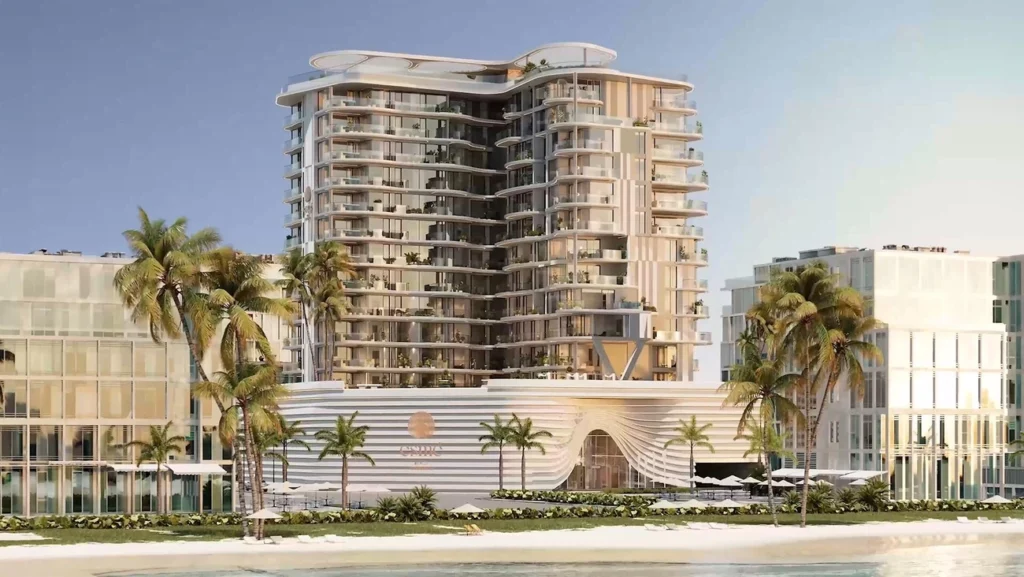
Residential complexes in UAE


 Al Jaddaf (Dubai)
 from 117м²


| Property Type / Location (real estate in Fujairah UAE) | Price Range (USD) | Estimated Price per sq.m | Comments |
|---|---|---|---|
| Studios (city) | $90,000 – $130,000 | $1,300 – $1,850 | Popular among employees in port and service sectors |
| 1-bedroom apartments (city) | $120,000 – $180,000 | $1,400 – $2,000 | Core segment for long-term rentals |
| 2-bedroom apartments (Al Faseel / coastal areas) | $200,000 – $350,000 | $1,900 – $2,700 | Higher pricing due to proximity to waterfront and beaches |
| Townhouses (city/suburbs) | $300,000 – $450,000 | $1,400 – $2,100 | Family-oriented segment with limited supply |
| Villas (city/suburbs) | $380,000 – $900,000+ | $1,300 – $2,200 | Pricing depends on plot size, layout, and property age |
| Beachfront properties (Al Aqah / coastal developments) | $450,000 – $1.2M+ | $3,000 – $5,500 | Resort and premium segments |
| Dibba properties (Dibba Fujairah real estate) | $110,000 – $250,000 | $1,200 – $1,800 | Lower entry point, emerging growth area |
| Commercial units (city) | $150,000 – $500,000+ | $1,400 – $3,000 | Depends on foot traffic and use (office/retail) |
Note: property values in Fujairah vary significantly by district (city areas vs. coastal zones) and depend on the developer, property management quality, and project status (off-plan vs. completed).
Types of Properties Available
The structure of supply in the Fujairah real estate market reflects the emirate’s diversified economy and its coastal geography.
- Apartments: studios and 1–3 bedroom units in urban districts and waterfront developments; particularly popular among expatriates and professionals in logistics, port operations, and service industries.
- Villas and townhouses: typically found in low- to mid-density communities; in demand among families employed in the public sector and stable private companies.
- Beachfront and resort developments: projects in Al Aqah and other coastal clusters, primarily oriented toward short-term rental markets and aligned with demand for Fujairah waterfront and beachfront properties.
- Commercial real estate: street retail, office spaces, and service-oriented units located near business corridors and residential hubs; demand is supported by the port-logistics sector and small-to-medium enterprises.
- Land plots: selectively available for private construction and low-rise developments, subject to local planning regulations.
- Legal framework: foreign buyers are permitted to purchase property in designated areas and projects (freehold or leasehold); the general regulatory framework is outlined on the UAE Government Portal.
Key takeaway: Fujairah real estate remains a niche market with limited but high-quality supply, making the choice of location and developer critical for long-term liquidity.
Market Trends and Future Outlook
The key drivers shaping the Fujairah real estate market in 2025–2026 remain structurally strong, supported by both UAE macroeconomic fundamentals and local infrastructure development.
- Macroeconomics and demographics: according to the Federal Competitiveness and Statistics Centre, the UAE economy continues to diversify and population growth supports underlying housing demand, particularly in well-connected regions.
- Local economic drivers: the port and logistics cluster, east coast tourism, and construction materials industries; development priorities and investment directions are outlined by the UAE Ministry of Economy.
- Rental demand: stable in urban districts (long-term leases) and seasonally stronger in coastal areas (short-term and holiday rentals).
- Development activity: targeted projects in mid-market and resort segments along the الساحل (coastline), alongside gradual modernization of existing housing stock within the city.
- Financing: mortgage financing is available through UAE banks; terms vary depending on residency status and the buyer’s credit profile (LTV ratios, interest rates, loan tenure).
- Risks: a relatively smaller market compared to Dubai and Abu Dhabi, limited liquidity in certain submarkets, and a high dependence on location and property management quality.
Outlook: under a conservative scenario, the Fujairah property market has potential for moderate price growth in the medium term, driven by constrained new supply, ongoing infrastructure development, and continued economic diversification.
Investment benchmark: depending on location and strategy, gross yields in the market typically range around 6–9% for long-term rentals and 8–11% for short-term rentals in coastal areas. Actual ROI will depend on occupancy rates, operating costs, and financing structure.
For verification of procedures, ownership rights, and compliance requirements, refer to official sources:
- UAE Government Portal
- Federal Competitiveness and Statistics Centre
- UAE Ministry of Economy
Disclaimer: all prices and yield estimates are indicative for 2025–2026 and expressed in US dollars. Prior to any transaction, data should be verified with the developer, bank, and property management company.
Best Districts in Fujairah for Living and Investment
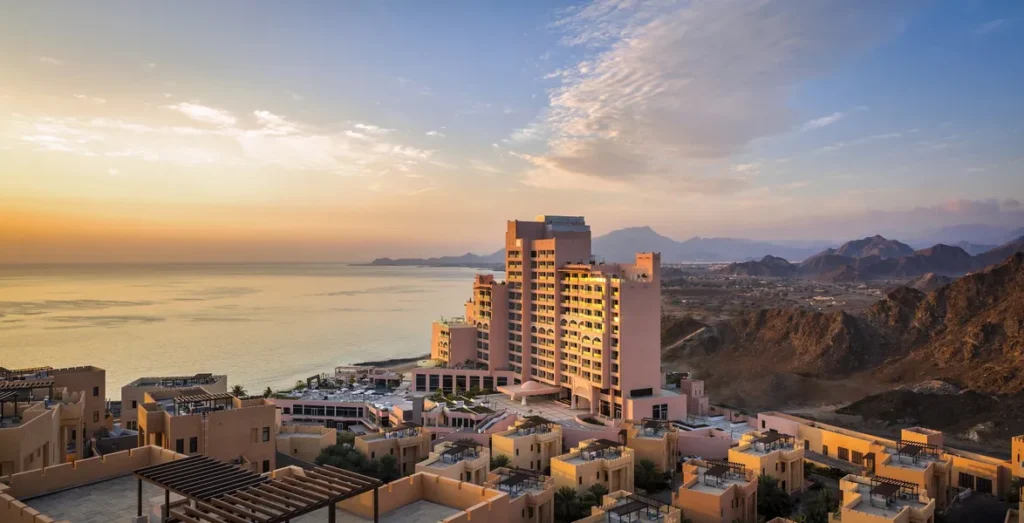
Choosing the right location within Fujairah’s districts has a direct impact on liquidity, rental occupancy, and overall returns. Below is an overview of the key neighborhoods, including their profiles, indicative price ranges (in USD), and typical use cases. For a broader understanding of the emirate’s demographics and economic context, refer to official sources such as the Federal Competitiveness and Statistics Centre, the UAE Ministry of Economy, and the UAE Government Portal.
Important: the best areas to live in Fujairah serve different purposes—from business and family-oriented districts to resort-style coastal zones. Even with a similar budget, choosing one location over another can result in significantly different ROI outcomes.
| District (Fujairah neighborhoods) | 1-Bedroom (USD) | 2-Bedroom (USD) | Villa/Townhouse (USD) | Typical Gross Yield | Demand Profile |
|---|---|---|---|---|---|
| Al Faseel (coastal areas) | $160,000 – $240,000 | $220,000 – $380,000 | $500,000 – $900,000+ | 6% – 8% (long-term) | Families, expats, government employees |
| Al Aqah (beachfront property) | $240,000 – $420,000 | $320,000 – $650,000 | $800,000 – $1.5M+ | 8% – 11% (short-term) | Tourism, holiday rentals |
| Dibba Fujairah (growth cluster) | $110,000 – $200,000 | $150,000 – $260,000 | $350,000 – $650,000 | 7% – 9% (mixed) | Budget tenants, SMEs |
| Fujairah City Center (business hub) | $120,000 – $190,000 | $180,000 – $300,000 | $380,000 – $650,000 | 6% – 8% (long-term) | Stable urban demand |
Key takeaway: Al Aqah stands out as a premium coastal destination for short-term rental strategies, while Fujairah City Center and Al Faseel are better suited to long-term rental models with consistent occupancy.
Al Faseel – Coastal Living and Urban Comfort
Al Faseel real estate offers a compelling blend of waterfront living, easy beach access, and well-developed urban infrastructure. The area attracts balanced demand from both families and professionals working in the port and logistics sectors.
- Price benchmarks (USD):
- 1-bedroom: $160,000 – $240,000
- 2-bedroom: $220,000 – $380,000
- Villas/townhouses: $500,000 – $900,000+
- Yields: 6% – 8% gross for long-term rentals; properties with sea views typically command a premium.
- Infrastructure: schools, clinics, and public spaces, with convenient access to key business corridors. Government services and regional infrastructure are accessible via the UAE Government Portal.
Pros:
- Close proximity to both the sea and city infrastructure
- High liquidity in mid-market properties
- Stable demand from families and expatriates
Cons:
- Price premium for waterfront units
- Limited availability of completed units with panoramic views
Conclusion: Al Faseel offers the ideal balance between coastal living and urban convenience, making it particularly attractive for investors seeking low vacancy risk.
Al Aqah – Beachfront and Resort Real Estate
Al Aqah is the flagship destination for coastal tourism in Fujairah, known for its 4–5-star resorts, diving sites, and expansive beaches. It represents a classic Fujairah beachfront property market, ideally suited to short-term rental strategies.
- Price benchmarks (USD):
- 1-bedroom: $240,000 – $420,000
- 2-bedroom: $320,000 – $650,000
- Villas: $800,000 – $1.5M+
- Yields: 8% – 11% gross under professional short-term rental management, with pronounced seasonality.
- Demand profile: tourism-driven, including weekend family travel and MICE events.
Pros:
- Prime beachfront location and premium product offering
- Higher daily rental rates
- Strong destination branding
Cons:
- Seasonal fluctuations in occupancy
- Higher CAPEX for furnishing and ongoing management
Investment insight: Al Aqah is designed for capitalizing on tourism demand, where returns depend heavily on professional management and effective seasonality control.
Dibba Fujairah – Affordable and Growing Area
Dibba represents an accessible entry point for investors focused on growth and hybrid rental strategies. The area benefits from gradual infrastructure expansion along the east coast.
- Price benchmarks (USD):
- 1-bedroom: $110,000 – $200,000
- 2-bedroom: $150,000 – $260,000
- Villas/townhouses: $350,000 – $650,000
- Yields: 7% – 9% gross through a mix of long-term and seasonal rentals.
- Demand profile: budget-conscious tenants, SME professionals, and tourism-related staff.
Pros:
- Lower entry price
- Strong upside potential driven by infrastructure and tourism growth
- Diversified demand base
Cons:
- Less developed urban environment compared to the city center
- Higher sensitivity to market cycles in certain subclusters
Practical strategy: Dibba is well-suited for building a step-by-step investment portfolio—starting with liquid 1–2 bedroom units and gradually upgrading to townhouses as the area matures.
Fujairah City Center – Infrastructure and Convenience
The heart of the city, centered around Hamad Bin Abdullah Road and surrounding districts, serves as the emirate’s core residential and business hub. It concentrates shopping centers, offices, hospitals, and educational institutions.
- Price benchmarks (USD):
- 1-bedroom: $120,000 – $190,000
- 2-bedroom: $180,000 – $300,000
- Villas/townhouses: $380,000 – $650,000
- Yields: 6% – 8% gross, with consistently low vacancy rates.
- Supporting factors: population growth and economic activity across the UAE (see aggregated data from the Federal Competitiveness and Statistics Centre) and ongoing economic diversification initiatives (outlined by the UAE Ministry of Economy).
Pros:
- Highest level of infrastructure concentration
- Stable year-round rental demand
- Strong resale liquidity
Cons:
- Fewer premium “view” units compared to coastal areas
- Competition in mid-market segments
Summary: Fujairah City Center is the default choice for buy-to-let investors, offering stability, predictable income, and ease of management.
District overview: Al Aqah is ideal for tourism-driven income, Al Faseel offers balanced coastal city living, the City Center provides stable long-term returns, and Dibba presents an affordable growth-oriented strategy. Ultimately, the right choice depends on your investment model—short-term rentals with higher yields or long-term rentals with predictable cash flow.
Infrastructure in Fujairah: Transport, Healthcare and Education
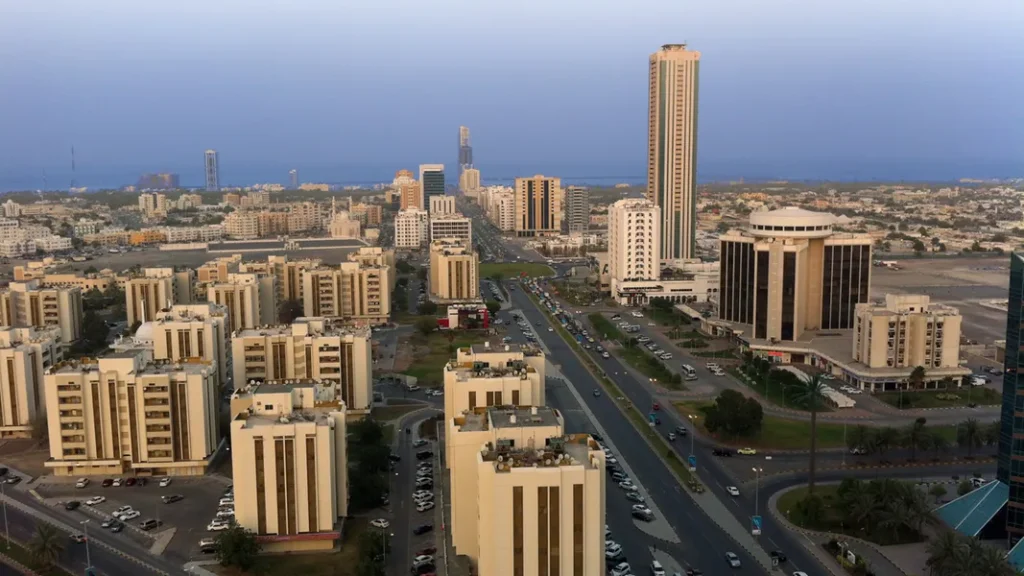
Fujairah’s infrastructure provides a solid foundation for both residential living and investment. Reliable highways, key anchor assets such as the port and airport, and a well-established network of schools and hospitals collectively support stable housing demand—particularly in urban and coastal areas. For official information on public services and transport regulations, refer to the UAE Government Portal (Transportation section).
Key point: infrastructure in Fujairah, UAE is defined by strong connectivity (E84/E99), international hubs (Fujairah airport and port), and access to schools and healthcare, all of which enhance property liquidity and reduce vacancy risk.
Roads, Transport and Connectivity
Fujairah is connected to the rest of the UAE via the E84 (Sheikh Khalifa Bin Zayed Road) and the coastal E99 highway. This makes it a practical base for regular travel to Dubai, Sharjah, and Ras Al Khaimah. Public transport options include intercity buses and taxis, while car rentals and leasing are particularly popular among expatriates.
| Route | Distance | Average Travel Time | Notes |
|---|---|---|---|
| Fujairah → Dubai (via E84) | ≈ 120–130 km | 1.5–2 hours | Main business corridor |
| Fujairah → Sharjah | ≈ 110–120 km | 1.5–2 hours | Alternative to Dubai commute |
| Fujairah → Ras Al Khaimah | ≈ 80–100 km | 1–1.5 hours | Access to northern resorts |
| Fujairah City → Al Aqah | ≈ 45–55 km | 40–60 minutes | Coastal resort area |
Indicative costs (USD):
- Taxi: base fare $3–4; $0.7–1.0 per km; a typical trip from the city center to the airport or port costs around $10–20.
- Intercity buses: $8–12 per trip to Dubai or Sharjah, depending on the route and operator.
- Car rental: $400–800/month for entry-level models; insurance and mandatory coverage are additional.
- Fuel: $0.75–0.95 per liter (subject to monthly fluctuations).
Important: for daily commuting at a business level, owning or leasing a car is the most practical option, while taxis and buses are well-suited for short-term stays. Regulations and services are detailed on the UAE Government Portal.
Fujairah Port and Airport
Fujairah Port is one of the largest bunkering and transshipment hubs on the UAE’s east coast, playing a key role in economic diversification and providing steady employment in logistics and related services. Fujairah International Airport primarily handles cargo operations, as well as charter and regional flights, offering efficient access to both domestic and international routes. Together, these anchor assets significantly enhance the investment appeal of surrounding areas—from Fujairah City Center to coastal clusters.
- Impact on the housing market: stable corporate demand supports long-term rentals in urban areas, while tourism-driven traffic boosts short-term rental demand in Al Aqah and other coastal zones.
- Logistics advantages for residents: proximity to the port and airport reduces travel time and indirectly supports property values in both rental and resale markets.
Key takeaway: the combination of port and airport infrastructure creates a fundamental demand base for residential and commercial real estate, reducing investment risk over a 3–7 year horizon.
Schools, Universities and Healthcare
Fujairah offers well-balanced coverage in terms of education and healthcare, with both public and private institutions available. Public healthcare facilities are overseen by the Ministry of Health and Prevention, while school licensing and academic standards are regulated by the Ministry of Education UAE.
Education:
- Schools: a mix of public (Arabic curriculum) and private institutions offering British, American, CBSE, and hybrid curricula.
- Transport and services: school bus systems, after-school programs, and extracurricular activities are widely available.
- Higher education: local universities and colleges offer programs in business, IT, engineering, and healthcare.
| Education Level | Typical Annual Tuition (USD) | Additional Costs (USD) |
|---|---|---|
| Kindergarten / Primary (private) | $3,000 – $6,000 | Transport $700–1,200; uniforms $150–300 |
| Middle / High School (private) | $4,500 – $10,000 | Extracurriculars $300–800/year |
| Premium schools (select) | $10,000 – $12,000+ | Exams/accreditation $200–600 |
| Universities / Colleges | $6,000 – $12,000 | Materials $200–500 per semester |
Healthcare:
- Hospitals and clinics: both public (via MoHAP) and private providers, covering general medicine, pediatrics, dentistry, diagnostics, and outpatient care.
- Insurance: health insurance is mandatory for expatriates; basic plans typically cover outpatient services and emergency care.
- Indicative costs (USD):
- GP consultation: $40–80 (private sector)
- Tests and diagnostics: $30–150 per test; comprehensive check-ups $200–500
- Insurance policy: $500–1,500 per year per person (basic plans, depending on age and coverage)
- Maternity package (private clinic): $2,500–5,000
Important: public healthcare facilities (MoHAP) provide subsidized care for residents, while private clinics offer enhanced service levels and shorter waiting times. Always verify licensing and insurance coverage through official sources such as the Ministry of Health and Prevention and the Ministry of Education UAE.
Investor takeaway: strong transport connectivity combined with access to quality schools and healthcare increases rental occupancy and broadens the pool of financially stable tenants. This is a key argument in favor of locations oriented toward family demand (such as Fujairah City Center and Al Faseel), as well as areas suitable for mixed-income strategies.
Lifestyle in Fujairah: Living Conditions and Quality of Life
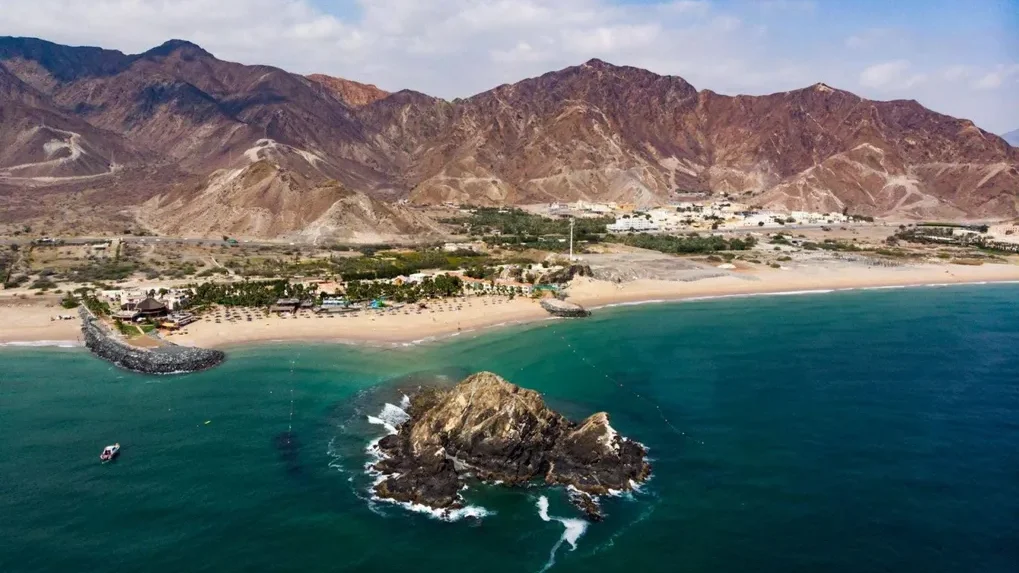
Fujairah offers a relaxed coastal lifestyle defined by safety, affordability, and close proximity to nature. For a comprehensive overview of living conditions and public services, refer to the UAE Government Portal (Life in the UAE section). Healthcare information is available through the Ministry of Health and Prevention, while safety guidelines and emergency services are covered by the UAE Ministry of Interior.
Key point: living in Fujairah, UAE combines a coastal climate, an accessible urban environment, and a high level of safety, making it particularly attractive for families and professionals working in the port, logistics, and tourism sectors.
Coastal Lifestyle and Nature
Fujairah’s landscape is defined by the beaches of the Gulf of Oman and the nearby Hajar Mountains. Typical weekend activities include beach outings, diving around Snoopy Island in the Al Aqah area, stand-up paddleboarding, waterfront walks, and hiking in mountain valleys. From April to October, coastal conditions tend to be hot and humid, while the mountains offer slightly cooler and drier conditions, expanding outdoor options during the shoulder seasons.
Indicative leisure costs (USD):
- Day pass to a beach club or resort: $20–60
- SUP or kayak rental: $15–35/hour
- Diving (two dives with equipment): $80–150
- Guided hiking or eco-tour: $30–80 per tour
- Coffee or breakfast by the waterfront: $5–15 per person
Important: the Fujairah lifestyle is defined by “sea + mountains” within a 30–60 minute drive, allowing residents to balance daily urban routines with frequent nature escapes without significant time investment.
Cost of Living in Fujairah
Overall living expenses in Fujairah are typically lower than in Dubai, while offering comparable access to essential urban infrastructure. The total cost of living depends on location (city center vs. coastal areas), housing type, and personal lifestyle choices.
Estimated monthly expenses (USD):
- 1-bedroom apartment rent (city): $800–1,300
- 2-bedroom apartment rent (coastal areas): $1,600–2,400
- Utilities (1–2 BR): $90–160
- Home internet (250–500 Mbps): $55–80
- Mobile plan (10–20 GB): $15–35
- Groceries (1 adult): $300–500
- Transport (fuel/taxi/maintenance): $120–250
- Gym membership: $40–100
- Health insurance (basic plan): $500–1,500 per year per person (via private providers; regulatory framework and services available through the Ministry of Health and Prevention)
Approximate monthly budget comparison (excluding education), USD:
| Expense Category | Fujairah | Dubai | Notes |
|---|---|---|---|
| 1-bedroom rent (city/center) | $800–1,300 | $1,400–2,200 | Fujairah is 25–45% more affordable for similar property classes |
| Utilities (1–2 BR) | $90–160 | $110–190 | Varies by season and consumption |
| Home internet | $55–80 | $60–90 | Comparable pricing |
| Transport (car/taxi) | $120–250 | $180–320 | Lower traffic and parking costs |
| Dining out (per person) | $120–220 | $180–300 | Lower average spend in Fujairah |
Cost summary: a family of three (excluding school fees) can expect to spend approximately $3,200–4,800 per month, while a single professional typically requires $1,700–2,500 per month. Actual expenses will vary depending on location and lifestyle.
Safety and Community
Fujairah consistently maintains a high level of safety. Emergency numbers are: police — 999, ambulance — 998, and fire services — 997. Information on safety services, digital platforms, and prevention programs is provided by the UAE Ministry of Interior. The city’s family-oriented environment is reflected in its abundance of parks, promenades, shopping centers, and a year-round calendar of cultural and sporting events.
Community characteristics:
- A balanced mix of local families and expatriates, with workforce migration driven by the port, logistics, tourism, and education sectors.
- Cultural norms include modest dress codes outside of beaches and resorts, as well as respect for local traditions and religious holidays.
- Family leisure options include waterfront areas, children’s play zones, weekend staycations in Al Aqah, and community or school events throughout the year.
- Healthcare services are available through both public and private providers, with digital services and standards outlined by the Ministry of Health and Prevention.
- Public services and everyday living guidance can be accessed via the UAE Government Portal.
Important: safety and predictability are key factors driving demand for Fujairah among families and long-term professionals. Lower traffic density and a slower pace of life further reduce day-to-day stress.
Overall conclusion: the Fujairah lifestyle combines affordable living, high safety standards, and convenient access to essential services within short travel distances. At the same time, the natural setting—where the Gulf of Oman meets the Hajar Mountains—creates a distinctive competitive advantage that significantly enhances everyday quality of life.
Property Investment in Fujairah: Opportunities and ROI
The Fujairah real estate market remains niche yet resilient, characterized by relatively low entry prices, stable corporate demand (driven by the port, free zones, and tourism), and a clear federal regulatory framework. For official guidance on property ownership and transactions, refer to the UAE Government Portal. Macroeconomic indicators are available via the Federal Competitiveness and Statistics Centre, while investment priorities are outlined by the UAE Ministry of Economy.
Residential complexes in UAE
Key point: property investment in Fujairah is particularly well-suited to two core strategies—long-term rentals in urban clusters with low vacancy risk, and short-term holiday rentals along the الساحل (coastline). Typical gross yields range from 6–9% for long-term rentals and 8–11% for short-term rentals, depending on location and management quality.
Is Fujairah Good for Property Investment?
The answer depends on your strategy and investment horizon. Fujairah offers advantages in terms of entry pricing and infrastructure anchors (port, airport, E84/E99 highways), but the market is less liquid than Dubai and requires careful selection of both location and asset type.
Entry price benchmarks (USD):
- 1-bedroom in Fujairah City Center: $120,000–190,000
- 1–2 bedroom units in Al Faseel (coastal): $160,000–380,000
- 1-bedroom beachfront in Al Aqah: $240,000–420,000
- 1–2 bedroom units in Dibba: $110,000–260,000
Transaction costs:
- Typically 1.5–4.0% of the property price, including registration, valuation, and legal services (depending on project and lender).
Mortgage financing:
- Down payment: approximately 20–35%
- Interest rates: 4.5–6.5% per annum (variable)
- Terms depend on residency status and the lending bank
Annual operating costs (apartment):
- Approximately $1,500–3,500 per year (HOA fees, minor maintenance, insurance, utilities; excluding furnishing)
Important: there is no annual federal property tax in the UAE, although service charges, municipal fees, and operating costs apply. Procedures and requirements are detailed on the UAE Government Portal.
Rental Yields and ROI: Benchmarks by Location
Below are average benchmarks for purchase prices and rental income across key districts. Actual figures vary depending on views (sea/mountain), floor level, furnishing, management, and seasonality.
| Location | Typical Property | Purchase Price (USD) | Annual Rent (USD) | Gross Yield | Notes |
|---|---|---|---|---|---|
| Fujairah City Center | 1 BR (urban) | $150,000 | $10,500–12,000 | 7.0%–8.0% | Stable long-term demand, low vacancy |
| Al Faseel (coastal) | 2 BR (partial sea view) | $300,000 | $18,000–22,000 | 6.0%–7.3% | Price premium for proximity to waterfront |
| Al Aqah (beachfront) | 1 BR (short-term) | $320,000 | $30,000–35,000 | 9.4%–10.9% | Core resort cluster |
| Dibba | 1 BR (mixed rental) | $160,000 | $11,000–14,000 | 6.9%–8.8% | Lower entry point, growth potential |
Net yield guidance: after accounting for management fees (5–8% for long-term; 18–25% for short-term), service charges, utilities, and maintenance reserves, net yields are typically 1.5–3.0 percentage points lower than gross yields.
Short-Term vs Long-Term: Comparative Analysis
A side-by-side comparison of the two main strategies in the Fujairah real estate market:
| Parameter | Short-Term (Al Aqah / beachfront) | Long-Term (City Center / Al Faseel) |
|---|---|---|
| Gross yield | 8%–11% | 6%–9% |
| Management fees | 18%–25% of revenue + cleaning | 5%–8% of annual rent |
| Occupancy | Seasonal (peak Oct–Apr) | Stable, 11–12 months/year |
| Initial CAPEX | Higher: furnishing $10,000–20,000 | Lower: furnishing $6,000–12,000 |
| Risk profile | Sensitive to tourism flow and reviews | Dependent on local employment stability |
| Tenant profile | Tourists, staycations, MICE | Families, port and free zone professionals |
Conclusion: short-term beachfront rentals offer higher gross return potential but require professional management and tolerance for seasonality, while long-term urban rentals provide predictable cash flow and simpler operations.
Cost Structure and Financing
When evaluating ROI in Fujairah real estate, it is essential to consider the full cost structure and financing conditions.
Transaction costs (USD benchmarks):
- Registration, valuation, legal: 1.5–4.0% of purchase price
- Mortgage processing: 0.5–1.0% of loan amount + $300–800 valuation fee
- Furnishing:
- 1 BR: $8,000–15,000
- 2 BR: $12,000–25,000
Annual operating costs:
- Management: 5–8% (long-term) or 18–25% (short-term)
- HOA/service charges: $1,200–3,000 (apartment)
- Utilities: $700–1,500 (depending on usage and season)
- Maintenance reserve: 0.5–1.0% of property value
Financing:
- Down payment: 20–35%
- Interest rate: 4.5–6.5% (variable)
- Leverage can enhance ROE when rental yield exceeds borrowing cost
Reminder: regulatory frameworks for transactions, ownership, and compliance are outlined on the UAE Government Portal, while macroeconomic data is available via the Federal Competitiveness and Statistics Centre.
Case Studies: ROI Calculations
Case 1 — 1 BR, Al Aqah (beachfront, short-term):
- Purchase price: $320,000; furnishing: $15,000 → total investment: ~$335,000
- ADR (average daily rate): $140; occupancy: 62% → annual revenue: ~$31,700
- Management (22%): −$6,974; cleaning/consumables: −$1,800; HOA/utilities: −$2,800; reserve: −$2,000
- Gross yield: ~9.8%; net yield: ~5.6–6.3% (excluding taxes in the investor’s country of residence and financing costs)
Case 2 — 1 BR, Fujairah City Center (long-term):
- Purchase price: $150,000; furnishing: $9,000 → total investment: ~$159,000
- Annual rent: $11,400 (≈ $950/month)
- Management (6%): −$684; HOA/utilities: −$2,100; reserve: −$1,000
- Gross yield: ~7.2%; net yield: ~4.9–5.5% (excluding financing)
Key benchmark: net yields of 5–7% are achievable with careful location selection and professional management. Beachfront short-term rentals can exceed this range but require more active operational oversight.
Risks and Mitigation Strategies
- Market depth: lower liquidity compared to Dubai; focus on core locations (City Center, Al Faseel, established coastal developments).
- Seasonality: beachfront assets depend on tourism—assume conservative occupancy of 55–60% and maintain liquidity reserves for low seasons.
- Management quality: operator performance directly impacts ratings and revenue—request SLAs, reporting, and transparent fee structures.
- Construction risks: verify developer credentials, delivery timelines, and structural warranties.
- Financial risks: stress-test investments with interest rate increases of +150–200 bps and occupancy declines of −10 percentage points.
Final takeaway: Fujairah property investment offers a rational balance between affordability and stable demand. Urban long-term strategies deliver predictable cash flow, while coastal short-term models offer higher upside—provided they are supported by professional management and a clear understanding of seasonality.
Pros and Cons of Buying Property in Fujairah
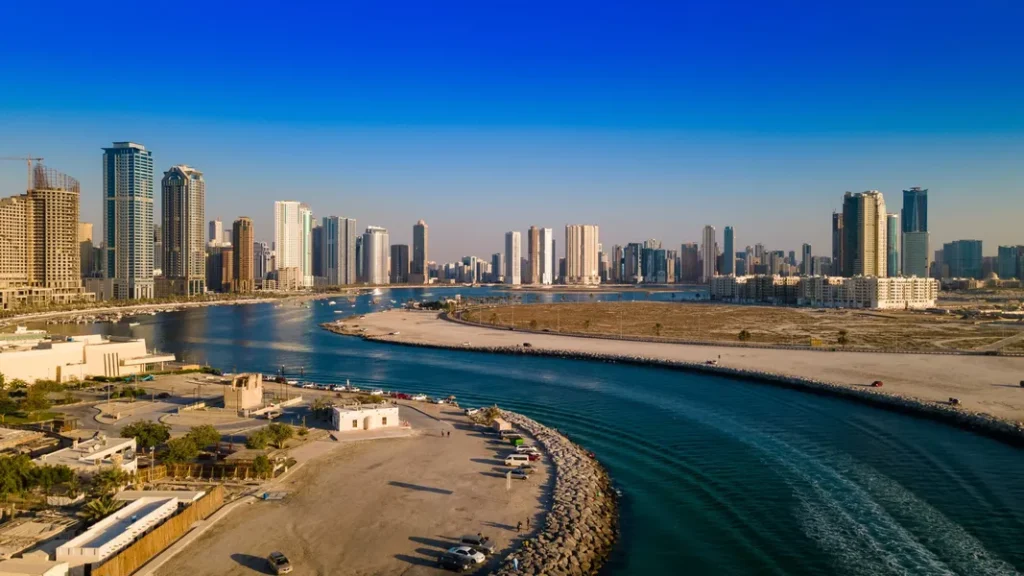
Buying property in Fujairah involves a clear trade-off between lower entry prices and a relatively smaller, less liquid market. To assess risks and procedures, it is essential to rely on official sources: transaction regulations and ownership rules are outlined on the UAE Government Portal, macroeconomic indicators are available via the Federal Competitiveness and Statistics Centre, and investment priorities are defined by the UAE Ministry of Economy.
Key point: Fujairah real estate is typically 25–45% more affordable than Dubai, while expected gross yields range from 6–9% (long-term) and 8–11% (short-term coastal rentals). Actual ROI will depend on location, management quality, and cost structure.
Summary Table: Advantages and Disadvantages
| Type | Factor | What It Means for Investors | Benchmarks / Costs (USD) |
|---|---|---|---|
| Advantage | Low entry price | Easier portfolio diversification | 1 BR (city): $120,000–190,000 |
| Advantage | Coastal resort potential | Higher gross yields in short-term rental model | Al Aqah 1 BR: $240,000–420,000; ADR $120–160 |
| Advantage | Infrastructure anchors (port/airport) | Consistent year-round tenant demand | Long-term 1 BR: $9,600–12,000/year |
| Advantage | Transparent federal regulation | Clear and predictable transaction process | Transaction costs: 1.5–4.0% of price |
| Disadvantage | Limited market depth | Longer resale timelines; location becomes critical | Allow 3–6 months for resale |
| Disadvantage | Seasonality in coastal areas | Income fluctuates throughout the year | Short-term occupancy: 55–70% |
| Disadvantage | Limited premium developments | Price premiums for views and beachfront locations | Beachfront: $450,000 – $1.2M+ |
| Disadvantage | Operational sensitivity | Management quality directly impacts ROI | Fees: 5–8% (long-term) / 18–25% (short-term) |
Advantages
- Affordable entry point. In urban clusters such as Fujairah City Center and Al Faseel, 1–2 bedroom apartments typically start from $120,000–180,000 and $180,000–300,000 respectively, making it easier to build and rebalance an investment portfolio.
- Stable rental demand. The presence of the port and free zones supports steady employment and year-round demand for long-term rentals. These macro trends are supported by data from the Federal Competitiveness and Statistics Centre.
- Strong coastal rental potential. In Al Aqah and similar coastal developments, short-term rental yields are often higher than in urban areas.
- Regulatory clarity. Ownership rights and transaction procedures are clearly defined on the UAE Government Portal, with digital services streamlining the process.
- Portfolio diversification within the UAE. Compared to Dubai, Fujairah is less exposed to the high-end segment, offering diversification benefits and a different risk profile.
Important: a lower entry price can translate into higher return on equity (ROE) when moderate leverage is used, particularly in urban areas with low vacancy rates.
Disadvantages
- Limited liquidity and market depth. Resale timelines tend to be longer, making careful selection of the developer and project essential.
- Seasonality of coastal demand. Short-term rental income depends heavily on tourism flows and event cycles, requiring financial reserves to cover low seasons.
- Limited supply of new premium developments. Sea-view units and beachfront properties command a premium, while overall availability is lower than in larger markets.
- Operational sensitivity. Short-term rental performance is highly dependent on ratings, service quality, guest reviews, and the cost of management and cleaning.
- Interest rate risk. When using mortgage financing, investors should stress-test their models against potential rate increases of 150–200 basis points.
Warning: Fujairah remains a niche market; an incorrect choice of location or operator can reduce returns by 1.5–3.0 percentage points, particularly in short-term rental strategies.
Who Should Buy Property in Fujairah?
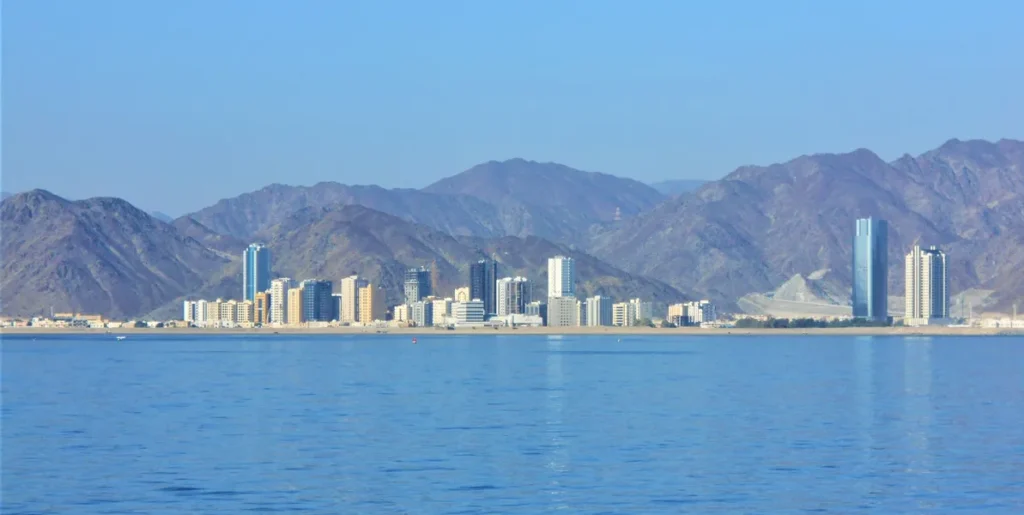
Fujairah is a rational choice for buyers who value predictable cash flow, moderate entry prices, and strong infrastructure anchors such as the port, airport, and the E84 transport corridor. Below are key investor and buyer profiles for whom property in Fujairah is particularly well-suited, along with typical scenarios, budget ranges (USD), and expected return parameters. For macroeconomic context and regulatory guidance, refer to official sources such as the Federal Competitiveness and Statistics Centre, the UAE Ministry of Economy, and the UAE Government Portal.
Key point: Fujairah real estate is best aligned with two strategies—urban long-term rentals (6–9% gross) and coastal short-term rentals (8–11% gross). Final ROI depends on location, management quality, and cost structure.
| Buyer Profile | Objective | Recommended Locations / Assets | Budget Range (USD) | Expected Gross Yield | Notes / Risks |
|---|---|---|---|---|---|
| Income-focused investor | Stable cash flow | Fujairah City Center, Al Faseel — 1–2 BR | $120,000–300,000 | 6%–8% | Low vacancy, strong liquidity in mid-market segments |
| Yield-maximizing investor | Short-term rental income | Al Aqah — beachfront 1–2 BR | $240,000–650,000 | 8%–11% | Seasonality, higher management fees, furnishing required |
| Expats and families | Primary residence + capital growth | Al Faseel, City Center — 2–3 BR; townhouses/villas | $300,000–900,000+ | 6%–7% (if rented) | Balanced “infrastructure + coastal” lifestyle; suited for long-term living |
| Business owners / HR departments | Staff accommodation | City Center, Dibba — blocks of 1–2 BR units | $500,000–1.5M | 7%–9% | Corporate leases ensure stable occupancy but increase concentration risk |
| Holiday home buyers | Personal use + rental income | Al Aqah — beachfront 1–2 BR | $320,000–700,000 | 7%–10% | Net yield reduced due to personal use and seasonality |
| Capital preservation investors | Value retention | Quality completed 2–3 BR in City Center / Al Faseel | $250,000–500,000 | 6%–7% | Lower risk, moderate appreciation, easy management |
Investors Focused on Stable Income
For those prioritizing predictability, urban locations such as Fujairah City Center and Al Faseel, combined with 1–2 bedroom units, offer the most reliable results. Purchase prices typically range from $120,000 to $300,000, with annual rental income of approximately $9,600–22,000 and gross yields of 6–8%. This segment is supported by corporate demand and public-sector employment. Regulatory procedures can be verified via the UAE Government Portal.
Investors Targeting Maximum Yield
For higher gross returns, Al Aqah—particularly beachfront properties—stands out as the most attractive option. Budget ranges from $240,000 to $650,000, with potential gross yields of 8–11%. However, this strategy comes with higher management costs (18–25% of revenue), increased CAPEX for furnishing ($10,000–20,000), and seasonal occupancy fluctuations. Professional property management and conservative financial planning are essential.
Expats and Families (Living + Investment)
The “live and own” model works best in Al Faseel and Fujairah City Center, where 2–3 bedroom apartments, townhouses, and villas ($300,000–900,000+) offer a balanced lifestyle. Key advantages include access to schools, healthcare, and transport. If rented out, properties typically generate 6–7% gross yields. For demographic trends, refer to data from the Federal Competitiveness and Statistics Centre.
Business Owners and HR Departments
Corporate housing strategies often involve purchasing multiple 1–2 bedroom units or entire blocks in areas like City Center or Dibba. Budgets range from $500,000 to $1.5M, with expected gross yields of 7–9% under long-term lease agreements. The main advantage is reduced tenant acquisition costs, while the key risk lies in exposure to a single industry or tenant group.
Holiday Home Buyers
For those combining personal use with rental income, Al Aqah is the most suitable location. Beachfront 1–2 bedroom properties range from $320,000 to $700,000. While partial personal use may reduce net yields by 1–2 percentage points, buyers benefit from lifestyle value and strong resale potential during peak seasons.
Who Fujairah Is Less Suitable For
- Short-term “flippers”: the market is less liquid than Dubai, making a 3–7 year horizon more appropriate than quick resale strategies.
- Ultra-luxury buyers: the supply of high-end developments is limited, and premiums for prime views or beachfront locations are significant.
- Investors unwilling to manage short-term rentals: without professional operators, maintaining occupancy rates and property ratings can be challenging.
Important: the UAE’s regulatory environment is transparent and standardized, but specific conditions (freehold vs. leasehold, registration, mortgage terms) may vary by project. Always verify requirements through the UAE Government Portal and align your strategy with macroeconomic indicators from the UAE Ministry of Economy and the Federal Competitiveness and Statistics Centre.
Final takeaway: buying property in Fujairah makes the most sense for investors seeking a balance of affordability, stable demand, and regulatory clarity. The choice of location and investment model remains the critical factor determining liquidity and overall ROI.
Conclusion
Fujairah represents a well-balanced choice for buyers seeking an optimal combination of affordable entry prices and stable demand. Supported by a strong port and logistics cluster, as well as a growing tourism sector, the market remains resilient, while the regulatory environment is clear and predictable. Property ownership and transaction procedures are outlined on the UAE Government Portal, macroeconomic indicators are available via the Federal Competitiveness and Statistics Centre, and strategic development priorities are detailed by the UAE Ministry of Economy. For investors, this translates into transparent rules and a well-defined demand structure.
Based on 2025–2026 benchmarks, urban one-bedroom apartments typically start from $120,000–180,000, while coastal one-bedroom units in Al Aqah range from $240,000–420,000. Villas are priced from approximately $380,000 to $900,000+, and gross yields average around 6–9% for long-term urban rentals and 8–11% for short-term coastal strategies.
Key takeaway: over a 3–7 year horizon, Fujairah real estate offers a rational and effective portfolio diversification tool—provided that location, developer quality, and management strategy are carefully selected.
Submit a Request — We’ll Find the Right Property for You
Ready to take the next step? Submit a request, and we will clarify your goals (personal use or investment), budget, and time horizon. Within 24–48 hours, we will present 3–5 tailored property options, advise on available mortgage solutions, and arrange both online and in-person viewings.
 +971 52 110 0777
 hello@baytique-uae.com
 UAE, Dubai, Dubai Hills Estate, Park Heights Square 1


 Get catalogue of TOP-7 objects