
 +971 52 110 0777


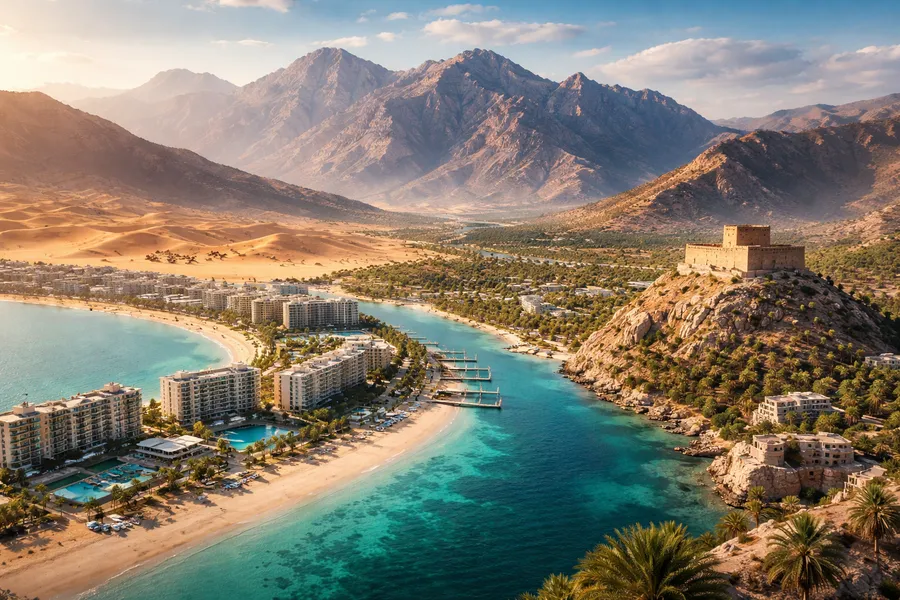

Ras Al Khaimah, the northernmost emirate of the UAE, has significantly strengthened its position in recent years as both a турист destination and an investment hotspot. While Dubai is often associated with масштаб, high-density development, and a fast-paced lifestyle, Ras Al Khaimah offers a different appeal—one centered on nature, a relaxed resort atmosphere, pristine beaches, dramatic mountain landscapes, and a more balanced way of living.
This is precisely why search queries such as “Ras Al Khaimah attractions,” “things to do in Ras Al Khaimah,” and similar variations are steadily growing—not only among tourists but also among property buyers. According to the official UAE government portal, the emirate is known for its unique combination of Persian Gulf coastline, desert landscapes, mangrove ecosystems, and the Jebel Jais mountain range—the highest peak in the country.
Ras Al Khaimah’s key advantage lies in its rare blend of sea, mountains, cultural heritage, and relatively accessible property prices—something few destinations in the UAE can offer.
For a first introduction, 1–3 days are usually enough to get a feel for the emirate. Visitors can easily combine beach отдых, excursions into природные локации, and cultural sightseeing. This versatility is particularly appealing to those considering property investment in Ras Al Khaimah, long-term rental opportunities, or purchasing a home for seasonal living.
Location and How to Get There
Ras Al Khaimah is located in the northern part of the UAE, approximately 95–110 km from Dubai, depending on the starting point. The emirate borders Oman and offers convenient access to the country’s major transport hubs. In practice, most travelers arrive via Dubai International Airport, while some choose Sharjah or the local Ras Al Khaimah International Airport. Up-to-date information on travel logistics and key destinations is available on the official Ras Al Khaimah Tourism Development Authority website.
When planning an independent trip, it’s important to consider the geography of the emirate: coastal areas, urban districts, mountain routes, and historical sites are spread across different locations. If your goal is to explore the best places in Ras Al Khaimah without rushing, it’s wise to organize your itinerary by zones: beaches and resorts, city and museums, mountains, and desert experiences.
From an investment perspective, Ras Al Khaimah’s attractions are also significant because they directly drive demand for short-term rentals. Properties located near the coastline and popular tourist areas tend to perform better in seasonal bookings. This is why topics such as Ras Al Khaimah real estate, seafront apartments in the UAE, and rental yields in Ras Al Khaimah are closely tied to the emirate’s growing tourism appeal.
Why Ras Al Khaimah Is Emerging as a New Hub for Living and Investment
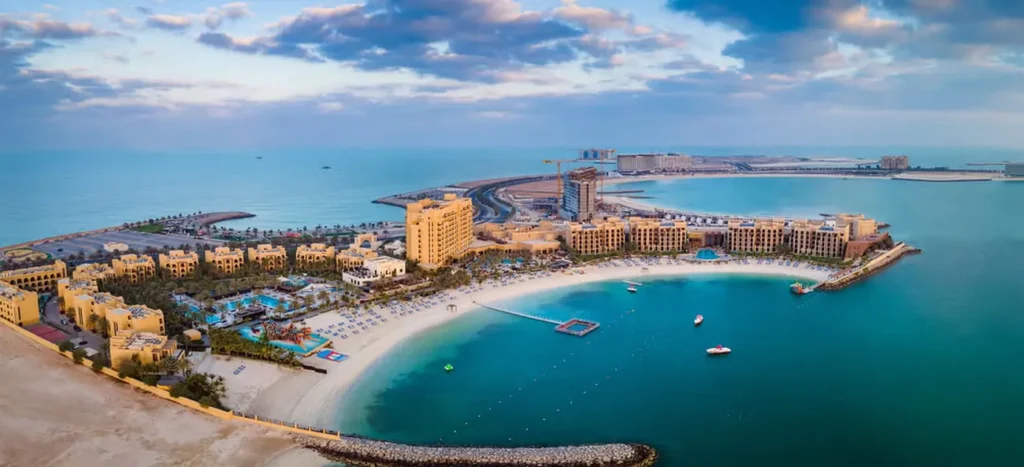
Ras Al Khaimah is gradually stepping out of the shadow of the UAE’s more high-profile emirates and establishing itself as an independent destination for those considering relocation, beachfront property ownership, or income-generating real estate investments. This shift is not driven by a single factor, but rather by a combination of advantages: a strategic location, rapid development of tourism infrastructure, a more relaxed pace of life compared to Dubai, and a lower entry threshold into the real estate market.
According to the official UAE government portal, Ras Al Khaimah is known not only for its beaches, but also for its mountains, historical landmarks, desert routes, and resort destinations. For investors, this diversity is a key indicator: the broader the range of leisure experiences, the more resilient the tourist flow—and, consequently, the stronger the potential for both short- and mid-term rental demand.
Today, Ras Al Khaimah represents a market where tourism directly supports housing demand, while a комфортная среда для жизни further enhances its long-term investment appeal.
In simple terms, here is why the emirate is increasingly seen as a compelling alternative to Dubai and Abu Dhabi:
- more affordable property prices across a number of coastal and residential clusters;
- lower density of development and traffic, which is especially important for permanent living;
- a growing турист flow that sustains rental demand;
- the availability of resort areas and freehold zones attractive to international buyers;
- a strong natural environment, including beaches, mountains, desert landscapes, and прогулочные зоны;
- an evolving business ecosystem, supported in part by economic initiatives such.
From an investment perspective, accessibility plays a dual role. On the one hand, it enhances the emirate’s appeal for tourists seeking a more спокойный отдых without being completely disconnected from Dubai. On the other hand, it makes the region convenient for property owners considering a second home, seasonal living, or a rental asset.
Another important factor is the internal structure of the emirate itself. Unlike the most densely built-up areas of Dubai, Ras Al Khaimah does not feel overcrowded. For families, remote workers, and investors, this translates into a more predictable and комфортный lifestyle: getting to the beach, school, grocery store, or restaurant does not become a daily source of stress.
It is precisely this combination of moderate price entry, growing tourism visibility, clear logistics, and a high-quality resort environment that explains the rising interest in search queries such as “Ras Al Khaimah real estate,” “property investment in Ras Al Khaimah,” and “buy an apartment in Ras Al Khaimah.” For some buyers, the emirate is a holiday destination; for others, a second home; and for investors, it remains a market where growth potential persists—without the overheating typical of the UAE’s most expensive locations.
1. Jebel Jais — The Highest Peak in the UAE
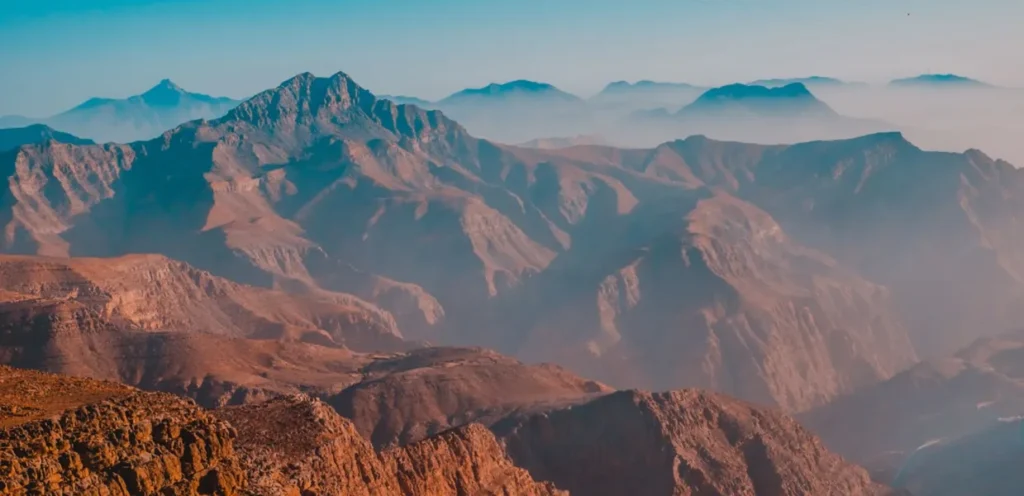
Jebel Jais is one of the emirate’s most iconic natural landmarks and, without exaggeration, a destination that reshapes the typical perception of leisure in the UAE. While the country is often associated with coastlines, skyscrapers, and desert landscapes, here the focus shifts to mountains, panoramic roads, cooler air, and an active outdoor lifestyle. According to the official UAE government portal, Jebel Jais is the highest mountain in the country and one of the most visited attractions in Ras Al Khaimah.
For travelers, it answers the question of “what to see at Jebel Jais” and ranks among the top Ras Al Khaimah attractions. For property buyers, it serves as clear evidence that the emirate offers more than just beach отдых—it delivers a well-rounded lifestyle enriched by nature, activities, and a high recreational value.
Jebel Jais is not merely a one-day mountain excursion; it is a strategic tourism asset that strengthens interest in both living and investing in Ras Al Khaimah.
The mountain rises to approximately 1,934 meters above sea level, and the climate at higher elevations is noticeably milder than along the coast. During the cooler season, the temperature difference can be particularly striking, making it a popular destination for both tourists and residents seeking a more diverse leisure environment within a single emirate.
Location and How to Get There
Jebel Jais is located in the northern part of Ras Al Khaimah, in a mountainous area near the border with Oman. From a logistical perspective, it is well integrated into the emirate’s tourism infrastructure: a high-quality paved road with winding mountain curves and designated stops leads to the main viewpoints.
Approximate travel times:
- from central Ras Al Khaimah — around 45–60 minutes;
- from Al Marjan Island and Al Hamra — approximately 1–1.5 hours;
- from Dubai — on average 1.5–2.5 hours, depending on the departure point and traffic conditions.
The most convenient ways to get there:
- Rental car — the most practical option for самостоятельное путешествие. Car rental in the UAE typically starts from $35–$70 per day for entry-level vehicles.
- Taxi or private transfer — a comfortable but more expensive option. A ride from coastal areas of Ras Al Khaimah usually costs around $35–$70, while a transfer from Dubai ranges from $90 to $160, depending on the vehicle class.
- Guided tours — occasionally offered by local operators; however, for greater flexibility in exploring the mountain area, a self-driven trip is generally preferable.
It is important to remember that Jebel Jais is a true mountain destination. Before setting out, it is advisable to check weather conditions, sunset times, and current infrastructure updates on the official Ras Al Khaimah tourism website.
No special physical preparation is required to visit Jebel Jais if you plan to stick to viewpoints and the driving route. However, for hiking and longer walks, it is essential to bring water, wear appropriate footwear, and carefully plan your time before nightfall.
What to See
The true value of Jebel Jais lies not in a single landmark, but in the overall experience of the landscape. It is a combination of elevation, a long scenic road, multiple viewpoints, fresh mountain air, and opportunities for outdoor activities. This is why it consistently ranks among the top attractions in Ras Al Khaimah and frequently appears in English-language lists such as “best attractions in Ras Al Khaimah” and “things to do in Ras Al Khaimah.”
The most notable highlights and ways to experience the area:
| Location / Activity | Description | Best suited for |
|---|---|---|
| Scenic mountain road | One of the most picturesque driving routes in the UAE, with multiple stops for photography | Virtually all visitors, including families |
| Viewpoints | Panoramic spots overlooking mountain ranges, valleys, and sunset landscapes | Those who want to experience Jebel Jais without physical exertion |
| Jais Viewing Deck Park | A well-developed area with viewing platforms, walking paths, and panoramic vistas | Tourists, families, photographers |
| Hiking trails | Outdoor routes for active recreation, especially popular during the cooler season | Outdoor enthusiasts |
| Mountain restaurants and cafés | An opportunity to combine the trip with a meal overlooking scenic views | Couples, families, weekend visitors |
What makes Jebel Jais particularly unique is the rare leisure scenario it offers in the region: you can start your day by the sea and, within a short drive, find yourself in the mountains. For the real estate market, this is a meaningful competitive advantage. It enhances the overall appeal of living in Ras Al Khaimah, especially in areas that provide easy access to both the coastline and the mountain region.
In practical terms, a visit to Jebel Jais typically follows one of three сценариев:
- a short 2–3 hour visit — scenic drive, viewpoints, and photo stops;
- a half-day trip — including a meal, a walk, and time to explore infrastructure points;
- an active full day — combining hiking, viewpoints, and adventure activities within the Jais area.
When viewed not just as a tourist destination but as a component of the emirate’s overall appeal, Jebel Jais plays a powerful role in shaping its image. It expands the concept of Ras Al Khaimah attractions far beyond the traditional beach resort and makes the emirate attractive to a more affluent audience that values natural surroundings, scenic views, privacy, and разнообразие досуга.
The presence of a destination like Jebel Jais increases the perceived value of real estate in the emirate: buyers gain access not only to beaches, but also to a unique mountain environment within the same region.
Costs and Opening Hours
Access to the mountain road and most viewpoints is generally free of charge. The main expenses are related to transportation, dining, and optional activities.
Below is an approximate breakdown of typical costs:
| Expense | Estimated Cost | Notes |
|---|---|---|
| Access to Jebel Jais area | Free | When traveling by private vehicle |
| Car rental | $35–$70 per day | Excludes fuel and extended insurance |
| Taxi / transfer from Ras Al Khaimah city | $35–$70 | Depends on route and waiting time |
| Taxi / transfer from Dubai | $90–$160 | Varies by departure point and service level |
| Lunch or dinner in the mountains | $15–$40 per person | Average range for tourist-oriented restaurants |
| Additional activities | from $25 to $120+ | Depends on the type of experience and season |
As for operating hours, it is important to distinguish between general access and specific facilities:
- road access and viewpoints — typically open daily, though visits are best planned during daylight hours;
- viewing decks and walking areas — most enjoyable from early morning until sunset;
- restaurants and service points — usually operate on individual schedules, roughly from 8:00–10:00 AM to 8:00–10:00 PM;
- adventure attractions — run on scheduled time slots, often requiring advance booking.
Seasonality plays a crucial role. The most comfortable period for visiting is from October to April, when the mountain climate is particularly pleasant. During the summer months, Jebel Jais remains popular due to its comparatively cooler temperatures than the coast, but midday visits still require careful attention to hydration, clothing, and time spent outdoors.
Jebel Jais is one of those destinations that contributes to the long-term value of the entire emirate. For tourists, it answers the question of “what to see in Ras Al Khaimah.” For residents, it becomes a полноценный weekend escape. And for investors, it serves as an additional argument in favor of the region. Mountains, cooler climate, scenic viewpoints, and well-developed adventure infrastructure make Ras Al Khaimah more diverse—and therefore more resilient in terms of tourism demand and real estate appeal.
2. Jais Flight — The World’s Longest Zipline
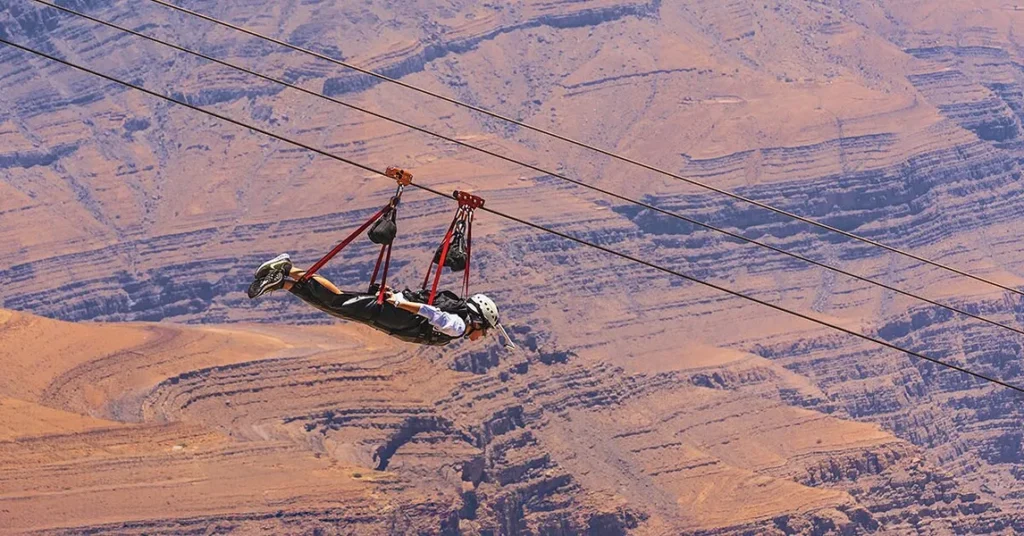
Jais Flight is one of the most prominent attractions in Ras Al Khaimah and a landmark that has significantly elevated the emirate’s international visibility. This is not merely an extreme activity, but a flagship destination for the entire region: the zipline at Jebel Jais is consistently featured in lists such as “top attractions in Ras Al Khaimah,” “best attractions in Ras Al Khaimah,” and “things to do in Ras Al Khaimah.” On the official UAE government portal, Jebel Jais is highlighted as one of the emirate’s key tourist destinations, with Jais Flight forming a central part of its adventure infrastructure.
For travelers, it is a compelling answer to the question “what to see in Ras Al Khaimah,” while for the real estate market, it is a factor that drives visitor traffic to the mountainous areas, supports short-term rental demand, and enhances the overall appeal of the emirate as a leisure destination. Attractions of this scale help shape Ras Al Khaimah’s modern identity—not only as a beach resort, but as a destination for active tourism.
Jais Flight is not just a local attraction—it is a powerful tourism magnet that stimulates travel, accommodation demand, and rental activity across the emirate.
According to the official Ras Al Khaimah Tourism Development Authority website, Jais Flight runs across the dramatic mountain landscape of Jebel Jais and is recognized as the longest zipline in the world. It stretches approximately 2.83 kilometers, with descent speeds reaching 120–160 km/h, depending on weather conditions and launch dynamics. This combination of altitude, length, and panoramic views makes it a truly unique attraction—even by UAE standards, where competition among experiences is traditionally intense.
Location and How to Get There
Jais Flight is located in the mountainous area of Jebel Jais in the emirate of Ras Al Khaimah. Positioned in the northern part of the emirate, it is typically combined with visits to nearby viewpoints, mountain restaurants, and other attractions along the Jebel Jais route.
Approximate travel times:
- from central Ras Al Khaimah — around 45–60 minutes;
- from Al Hamra and Al Marjan Island — approximately 1–1.5 hours;
- from Dubai — about 1.5–2.5 hours, depending on the departure point and traffic conditions.
The main ways to reach Jais Flight:
- By rental car — the most convenient option for independent travel. Rental prices typically start from $35 to $70 per day for entry-level vehicles.
- By taxi or private transfer — a comfortable alternative, especially for day trips without an overnight stay. Transfers from the city usually cost around $35–$70, while trips from Dubai range from $90 to $160.
- With a guided tour — available, though less common than independent visits with pre-booked time slots.
It is important to note that visiting Jais Flight requires a confirmed advance booking, particularly during peak tourist seasons and weekends. Additionally, the mountain road, while well maintained, includes winding sections, so it is advisable to allow extra travel time.
It is recommended to arrive early for your Jais Flight experience, as registration, document checks, and safety briefings require additional time.
What to Expect
While the zipline flight itself is the highlight, the experience extends far beyond the descent. Jais Flight offers a comprehensive journey that includes the scenic mountain drive, viewing platforms, launch infrastructure, and sweeping views over the Jebel Jais range. For many visitors, even the journey to the launch point becomes an integral part of the experience.
Key elements of the visit:
| Element | Description | Practical Value |
|---|---|---|
| Jebel Jais mountain road | A scenic winding route with panoramic stops | Ideal for photography, breaks, and exploring the landscape |
| Jais Flight launch platform | A fully equipped стартовая зона with safety briefing and gear preparation | Allows visitors to appreciate the scale and height before takeoff |
| The zipline flight | A high-speed descent over rugged mountain terrain | The core experience for adventure seekers |
| Panoramic Jebel Jais views | Expansive vistas of slopes, valleys, and mountain plateaus | Makes the trip worthwhile even for non-participants |
| Nearby viewing areas | Additional platforms and walking spots in the Jebel Jais area | Turns the visit into a полноценный half-day trip |
In terms of experience, Jais Flight differs from traditional urban attractions by relying not on architectural spectacle, but on the sheer scale of the natural environment. Visitors glide over mountainous terrain rather than between buildings or artificial structures. This is what makes it particularly valuable within the context of Ras Al Khaimah attractions: the emirate gains not just another activity, but one that is deeply integrated into its natural identity.
Even for those who do not plan to ride the zipline, the journey remains worthwhile. Jebel Jais stands as a destination in its own right: many visitors come for the views, photography, mountain dining, and the experience of the UAE’s highest peak. As a result, the area around Jais Flight appeals to multiple audiences—adventure seekers, families, couples, photographers, and weekend travelers alike.
Jais Flight enhances not only the appeal of Jebel Jais, but of the entire emirate: a single world-class attraction helps position the region as a destination for both travel and investment.
For this reason, it also holds significance for the real estate sector. Tourists who initially visit for leisure and experiences often explore coastal districts, hotels, and residential developments as part of their stay. This, in turn, supports demand for short-term rentals, seafront apartments in the UAE, and properties within key tourist clusters.
Pricing and Opening Hours
Jais Flight falls into the category of attractions where pricing varies depending on the season, booking conditions, and promotional offers. The figures below provide a general guideline for planning purposes.
| Parameter | Estimated Range | Notes |
|---|---|---|
| Jais Flight ticket | $90–$120 | Depends on date, demand, and booking conditions |
| Photo / video package | $20–$40 | Subject to availability on the day of visit |
| Taxi from Ras Al Khaimah city | $35–$70 | Varies by route and waiting time |
| Transfer from Dubai | $90–$160 | Depends on vehicle type and pickup location |
| Dining along the route | $15–$40 per person | Typical range for cafés and restaurants in the area |
In terms of operating format, Jais Flight follows a time-slot system. This means it does not function as an open-access attraction, but rather operates through pre-booked time windows. Slots are typically available during daylight hours, although exact schedules depend on the season, weather conditions, and current demand.
Visitors should also be aware of standard participation requirements. Typically, these include:
- age restrictions in accordance with operator guidelines;
- height and weight limits within specified safety ranges;
- a valid identification document;
- compliance with safety briefing and equipment regulations.
Before your visit, it is essential to check the latest booking conditions, height and weight requirements, and weather-related restrictions, as mountain conditions can directly impact operations.
The most comfortable season for visiting is typically from October to April, when temperatures in the mountains are particularly pleasant for extended outdoor stays. That said, Jais Flight remains popular even during warmer months, as the elevation of Jebel Jais offers a noticeably milder climate compared to the coast.
Jais Flight operates on two levels. From a tourism perspective, it answers queries such as “what to see in Ras Al Khaimah” and “best places in Ras Al Khaimah.” From an investment standpoint, it strengthens the emirate’s position as a destination with a stable турист flow, thereby supporting demand for rentals, resort living, and property purchases in its most visited areas. It is precisely these flagship attractions that help establish Ras Al Khaimah not only as a place to visit, but as a promising market for living and investment.
3. Dhayah Fort — A Historic Fortress with Panoramic Views
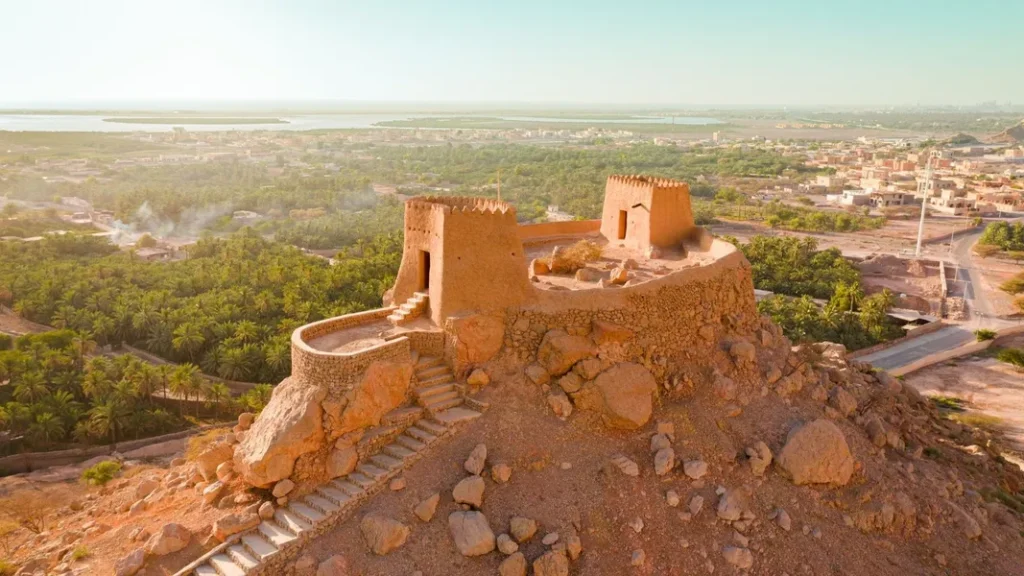
Dhayah Fort holds a distinctive place among those exploring Ras Al Khaimah attractions from both a турист and a cultural-historical perspective. While Jebel Jais and Al Marjan Island shape the emirate’s modern image as a destination for leisure and investment, Dhayah Fort reveals another dimension of the region—its historical depth, connection to traditional architecture, and the strategic importance of the northern UAE. On the official UAE government portal, the fort is recognized as one of the emirate’s most notable historical landmarks.
For travelers wondering what to see in Ras Al Khaimah, Dhayah Fort stands out for several reasons: it is a scenic viewpoint, a heritage site, and a location that fits seamlessly into a northern emirate itinerary. For the real estate market and the region’s broader image, such landmarks are equally important: the presence of authentic cultural heritage enhances the emirate’s appeal not only as a short-term destination, but as a place for long-term living.
Dhayah Fort is one of Ras Al Khaimah’s most recognizable historical symbols, combining cultural significance with some of the finest panoramic views in the emirate.
Perched on elevated ground amid palm groves and agricultural fields, the fort is visually striking. The ascent is relatively short, yet the visual impact is remarkable: from the top, visitors can clearly read the terrain, with views stretching across the coastline, green landscapes, and the mountainous backdrop. This is precisely why Dhayah Fort is frequently included in lists of the best places in Ras Al Khaimah and top tourist sites in Ras Al Khaimah.
Location and How to Get There
Dhayah Fort is located in the northern part of the emirate, near the coastal zone and approximately 18–25 km from Ras Al Khaimah city center, depending on your starting point. It lies within the Dhayah area, which is conveniently explored as part of a broader driving route through the emirate’s historical and natural landmarks.
Approximate travel times:
- from central Ras Al Khaimah — around 25–35 minutes;
- from Al Hamra and Al Marjan Island — approximately 40–60 minutes;
- from Dubai — roughly 1.5 to 2 hours.
The most convenient ways to reach the site:
- Rental car — the best option for a self-guided itinerary. Basic car rentals typically range from $35 to $70 per day.
- Taxi — a practical choice for trips from the city, usually costing around $20–$35 from central Ras Al Khaimah.
- Private transfer — ideal if the fort is part of a larger экскурсионный маршрут across the emirate.
Access to the site is straightforward: the final stretch is along a standard road, followed by a staircase leading up the hill. This ascent is the primary physical element of the visit. According to the official Ras Al Khaimah tourism website, the staircase consists of approximately 239 steps.
Visiting Dhayah Fort requires only minimal physical effort; however, the climb is best planned for the morning or late afternoon, especially during the warmer months.
What to See
The main reason to visit Dhayah Fort lies not only in the structure itself, but in the broader visual and historical context surrounding it. Positioned atop a hill, the fort historically served a defensive purpose—a fact that becomes evident during the ascent. From the summit, the expansive view underscores the strategic significance of its location.
In practice, several elements make the visit particularly compelling:
| Element | Description | Why It Matters |
|---|---|---|
| The fort itself | A traditional defensive structure set on elevated ground | Offers insight into the region’s fortification architecture |
| Panoramic views | Wide vistas over palm groves, plains, coastline, and mountain landscapes | One of the best viewpoints in the northern part of the emirate |
| Historical context | Linked to early 19th-century события and regional history | Adds depth and cultural significance to the visit |
| Photographic appeal | A striking silhouette combined with open, expansive views | Popular among visitors curating itineraries of top attractions in Ras Al Khaimah |
Historically, Dhayah Fort is associated with key events of the early 19th century, when the northern UAE played a significant role in regional politics and maritime trade. The current structure is generally dated to the 18th–19th centuries, although the broader Dhayah area has deeper archaeological roots. For visitors, this means the site is more than a scenic stop—it is one of the few places where landscape history and military architecture are experienced as a unified whole.
The view from the top is particularly впечатляющий. From the fort, visitors can clearly observe the striking combination of lush agricultural fields, pale terrain, proximity to the Gulf, and mountains on the horizon. In this sense, Dhayah Fort stands apart from many urban attractions: it reveals the emirate’s natural geography rather than its modern development.
For those planning what to see in Ras Al Khaimah in one day, the fort pairs well with other destinations in the northern part of the emirate. It is often included in itineraries alongside museums, coastal areas, and short stops in historical districts. Since a visit typically does not take an entire day, it fits easily into a комбинированный маршрут.
Dhayah Fort is especially valuable for visitors who want to experience Ras Al Khaimah not only as a resort destination, but as an emirate with a strong historical identity.
From a branding perspective, landmarks like this also carry indirect value for the residential market. An emirate that offers not only beaches and hotels but also authentic heritage sites is perceived as a more complete and livable environment. This is particularly important for buyers considering long-term residence in a спокойный and less congested setting.
Costs and Opening Hours
Dhayah Fort is among the more accessible attractions in the emirate. In most cases, the primary expenses are related not to entry, but to transportation and incidental travel costs.
| Expense | Estimated Cost | Notes |
|---|---|---|
| Entrance | Free or a nominal fee | Typically considered open-access |
| Taxi from Ras Al Khaimah city | $20–$35 | Depends on pickup point and waiting time |
| Car rental | $35–$70 per day | Ideal if combined with a multi-stop itinerary |
| Water and basic travel expenses | $5–$15 | Especially relevant during hotter months |
Opening hours should be checked before visiting, but for similar historical sites in the emirate, daytime access is generally the standard. In practice, the most comfortable visiting times are:
- 8:00 AM to 11:00 AM — ideal for a спокойный ascent and photography;
- 4:00 PM until sunset — best for softer light and cooler temperatures;
- midday — less recommended during hot seasons due to direct sunlight and limited shade on the climb.
For a comfortable visit, it is advisable to keep a few practical points in mind:
- wear comfortable, well-fitted footwear;
- bring water, especially in warmer conditions;
- avoid climbing during the hottest hours of the day;
- allow time for photo stops and exploration, as the surrounding views are as important as the fort itself.
Dhayah Fort is one of those destinations that adds depth and substance to Ras Al Khaimah’s appeal. It enhances interest in the emirate not through entertainment, but through history, architecture, and a landscape that cannot be artificially recreated. For travelers, it is one of the most выразительный answers to the question “what to see in Ras Al Khaimah,” while for prospective residents, it serves as an additional argument in favor of a region where modern resort living coexists with authentic cultural heritage.
4. RAK Desert — Desert Safaris and Outdoor Experiences

Desert landscapes are an essential part of Ras Al Khaimah’s tourism identity, complementing its beaches, mountains, and historical landmarks. While many visitors come for the coastline or Jebel Jais, the RAK Desert reveals another side of the emirate: open dunes, dramatic sunset vistas, off-road маршруты, Bedouin-style experiences, and evening programs under the open sky. Locations like these provide a complete answer to queries such as “what to see in Ras Al Khaimah” and “Ras Al Khaimah attractions,” showcasing the emirate not just as a seaside resort, but as a destination with a diverse natural landscape.
According to the official UAE government portal, Ras Al Khaimah combines beaches, desert terrain, mangroves, and mountainous regions. For travelers, this translates into a wide range of leisure experiences; for the real estate market, it means more устойчивый interest in short-term stays and seasonal rentals.
Desert safaris in Ras Al Khaimah are not a secondary attraction, but a fully developed tourism product that enhances the emirate’s appeal as a destination for travel, living, and investment.
Location and How to Get There
The term RAK Desert typically refers to the desert areas of the emirate where safari tours, dune driving, camp dinners, evening shows, and other activities take place. Unlike traditional city attractions, this is not a single fixed point on the map, but rather a collection of desert locations situated away from coastal and central districts.
Most excursions are organized from the following areas:
- Ras Al Khaimah city center — a common starting point for both group and private safaris;
- Al Hamra and Al Marjan Island — convenient for visitors staying in resorts and serviced apartments;
- beachfront hotels — many operators offer direct pickup from accommodation.
Approximate travel times to desert areas:
| Departure Point | Travel Time | Notes |
|---|---|---|
| Ras Al Khaimah city center | 30–50 minutes | Varies depending on the specific safari location |
| Al Hamra / Al Marjan Island | 25–45 minutes | Often the most convenient starting points for tourists |
| Dubai | 1.5–2.5 hours | For day trips to Ras Al Khaimah |
The main ways to get there:
- Organized transfer — the most practical option. Many safari packages already include transportation.
- Taxi to the meeting point — suitable for individual bookings. Fares within the emirate typically range from $20 to $50, depending on distance.
- Rental car — possible for reaching the camp or meeting location самостоятельно; however, driving on dunes requires experience and a suitable off-road vehicle.
On the official Ras Al Khaimah Tourism Development Authority website, desert activities are highlighted as a key component of the region’s leisure offering. It is important to note that the exact coordinates of safari camps or meeting points are usually provided only after booking confirmation.
Independent dune driving without experience and a properly equipped vehicle is not recommended. For safety, it is best to join an official guided safari.
What to Expect
Desert experiences in Ras Al Khaimah are built not around a single attraction, but around a complete experiential journey. Their main value lies in the shift of pace and environment: after city districts, beaches, and resort areas, visitors enter an open sand landscape where the focus moves to nature, sunset views, dune driving, and the атмосферу of a desert camp.
The most popular formats include:
| Activity | Description | Best suited for |
|---|---|---|
| Desert safari | 4×4 dune driving with photo stops | Most visitors, including couples and small groups |
| Sunset stop | A scenic pause in the desert during sunset | Those who appreciate landscapes and photography |
| Bedouin-style camp | Evening program with dinner, relaxation areas, and entertainment | Families, short-stay visitors, organized groups |
| Camel riding | A short introductory experience | Visitors seeking a traditional touch |
| Sandboarding | Sliding down dunes on a board | Active travelers |
| Quad biking and dune buggies | An additional high-energy activity | Those looking for a more dynamic experience |
In practice, a standard RAK Desert safari typically unfolds in several stages: pickup, dune driving, scenic stops, arrival at a camp, dinner, and an evening cultural program. Depending on the operator, the experience may include live performances, tea and coffee, shisha areas, photo spots, traditional costumes for pictures, and activities for children.
The visual aspect is particularly noteworthy. The desert in Ras Al Khaimah offers a stark contrast to the resort coastline: there is no dense development, and the landscape is defined by simple natural elements—rolling dunes, diffused light, varying shades of sand, and an expansive horizon. For many visitors, this is one of the most atmospheric settings in the emirate, especially in the late afternoon.
The best time for a desert safari is close to sunset, when temperatures are more comfortable, lighting is ideal for photography, and the overall experience becomes significantly more immersive.
From a family and resort perspective, desert activities also play an important role in broadening the region’s appeal. Visitors gain access not only to beaches and hotels, but also to a полноценный half-day or evening excursion. This is why such experiences support demand for short-term rentals, seafront apartments, and resort developments: the more varied the leisure offering, the more likely visitors are to extend their stay.
Pricing and Operating Hours
The cost of desert experiences varies depending on the tour format, level of service, program inclusions, and type of transfer. The ranges below provide a general guideline for planning purposes.
| Format | Estimated Cost | What’s Typically Included |
|---|---|---|
| Standard group safari | $35–$60 per person | Transfer, dune driving, camp access, dinner |
| Extended evening safari | $60–$100 per person | Enhanced service, upgraded program, additional activities |
| Private safari | $150–$300+ per vehicle | Personal transfer and a more flexible itinerary |
| Quad bike / buggy | $40–$120+ | Usually charged separately from the main tour |
| Private desert dinner | $80–$200+ per person | Premium format, depending on setup and service level |
Unlike museums and urban attractions, desert experiences are not defined by fixed opening hours, but rather by timing aligned with daylight and weather conditions.
Typical schedules are as follows:
- daytime tours — less common, usually focused on specific activities;
- evening safaris — the most popular format, typically starting in the afternoon, around 3:00–4:30 PM;
- sunset programs — designed so that the main stop coincides with sunset;
- return to hotel — usually between 8:00 PM and 10:00 PM, depending on the program.
Before booking, it is advisable to confirm:
- whether transportation is included;
- if dinner and beverages are part of the package;
- whether there are additional fees for quad bikes, buggies, or photography services;
- if the program is suitable for children, elderly guests, or pregnant travelers;
- whether there are any health restrictions for интенсивный dune bashing.
For a comfortable desert experience, it is recommended to wear light, breathable clothing, bring water, use sun protection, and check any medical limitations if planning active dune driving.
RAK Desert is one of the elements that gives the emirate its layered and dynamic character. Desert safaris add depth to Ras Al Khaimah’s tourism offering, strengthen its overall appeal, and support demand for accommodation in resort areas. For travelers, it provides a vivid answer to the question “where to go in Ras Al Khaimah,” while for investors, it sends a clear signal: the more diverse the attractions in Ras Al Khaimah, the stronger and more устойчивый the demand for rentals and real estate in the region.
5. Suwaidi Pearls Farm — A Traditional Pearl Farm Experience
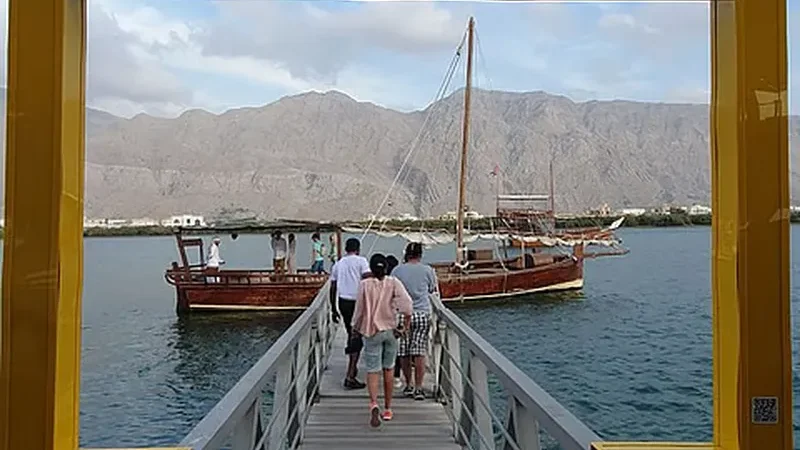
Suwaidi Pearls Farm is one of those destinations that truly sets Ras Al Khaimah apart from other tourist regions in the UAE. While beaches, mountains, and desert маршруты define the emirate’s natural appeal, this farm reveals a different dimension—the historical foundation of the local economy and Ras Al Khaimah’s deep-rooted connection to the pearl diving tradition. For those exploring Ras Al Khaimah attractions and seeking more than standard resort experiences, a visit to Suwaidi Pearls Farm becomes one of the most distinctive and meaningful stops.
Pearl diving is not merely symbolic for the region—it holds genuine historical significance. Before the oil era, maritime trade, fishing, and pearl harvesting were central to the coastal economy. This connection is also reflected on the official UAE government portal, which highlights Ras Al Khaimah as an emirate with rich cultural and natural diversity. In this context, Suwaidi Pearls Farm is not only an экскурсионный объект, but an integral part of the region’s identity.
Suwaidi Pearls Farm is more than a tourist excursion—it is a vivid introduction to one of the region’s most important historical industries.
For visitors, the farm answers questions such as “what to see in Ras Al Khaimah” and “unique places to visit in Ras Al Khaimah,” while for potential residents and investors, it serves as an additional argument in favor of the emirate: beyond modern resort infrastructure, the region offers authentic cultural experiences that cannot be fully replicated in artificially created environments.
Location and How to Get There
Suwaidi Pearls Farm is located in the Al Rams area in the northern part of Ras Al Khaimah. This is a शांत coastal zone characterized by sea access, lagoons, and mangrove landscapes. Typically, the visit does not begin directly at the farm itself, but at a shoreline meeting point, from where guests are transported by boat. This approach makes the journey especially memorable: even during the transfer, visitors experience a natural coastal environment that contrasts sharply with the urban image of the UAE.
Approximate travel times to the departure point:
- from central Ras Al Khaimah — around 20–30 minutes;
- from Al Hamra and Al Marjan Island — approximately 40–60 minutes;
- from Dubai — roughly 1.5 to 2 hours.
The main ways to get there:
- Rental car — the most convenient option, especially if combined with exploring the northern part of the emirate. Rental prices typically start from $35–$70 per day.
- Taxi — a practical solution for traveling from hotels or residential areas. Trips within the emirate usually cost around $20–$45, depending on the starting point.
- Private transfer — ideal for families or small groups, particularly when the visit is part of a broader guided itinerary.
It is important to note that the experience typically requires advance booking, as visits are organized in time slots and involve boat transfers. Updated information about the site and its role as one of the emirate’s notable attractions can be found on the official Ras Al Khaimah Tourism Development Authority website.
When planning your visit, keep in mind that Suwaidi Pearls Farm operates on a scheduled tour basis rather than open access throughout the day.
What to Expect
The main appeal of Suwaidi Pearls Farm lies in its combination of a scenic marine journey, an engaging introduction to pearl diving traditions, and a hands-on demonstration of pearl cultivation. This makes it particularly attractive for those who have already explored Ras Al Khaimah’s beaches and mountains and are looking to enrich their itinerary with cultural depth.
A typical visit includes several key elements:
| Experience Element | Description | Practical Value |
|---|---|---|
| Boat transfer | A journey across coastal waters to reach the farm | Showcases the natural landscape of Al Rams and adds atmosphere to the visit |
| Introduction to pearl history | An overview of traditional pearl diving and its role in the regional economy | Provides cultural and historical context |
| Pearl cultivation demonstration | Explanation of farming techniques and oyster care | Adds educational value to the experience |
| Oyster opening | One of the most memorable highlights of the visit | Creates a sense of a “live experience” rather than a passive экскурсия |
| Exhibition and retail area | An opportunity to view and purchase pearl jewelry | Appeals to those interested in meaningful or high-quality souvenirs |
Unlike many entertainment-focused attractions, Suwaidi Pearls Farm does not rely on speed, scale, or digital spectacle. Its strength lies in authenticity and thematic coherence. Visitors gain more than a visually appealing excursion—they develop an understanding of how marine industries shaped local communities long before the region’s tourism boom and oil-driven transformation.
The demonstration component is particularly engaging. Guests are typically guided through the process of pearl formation, the differences between natural and cultured pearls, the environmental conditions required for successful cultivation, and why the process demands time, precision, and specialized expertise. For families with children, this is an especially appealing format, combining education, visual clarity, and a relaxed pace.
Suwaidi Pearls Farm is especially valuable for those who want to experience Ras Al Khaimah not only as a resort destination, but as a region with its own historical depth and artisanal heritage.
From a broader tourism perspective, destinations like this play a crucial role in shaping perception. They expand the narrative of the emirate: instead of a one-dimensional beach destination, visitors encounter a multi-layered experience where sea, mountains, desert, museums, and authentic cultural sites coexist. For the real estate market, this diversity is equally important—the richer the surrounding environment, the stronger the long-term appeal of the region as a place to live and invest.
Pricing and Opening Hours
Suwaidi Pearls Farm operates as an organized attraction, so costs typically include the экскурсия itself, transportation to the departure point, and any optional purchases.
Below are approximate price ranges for planning purposes:
| Expense | Estimated Cost | Notes |
|---|---|---|
| Standard adult tour | $45–$70 | Usually includes boat transfer and guided experience |
| Children’s ticket | $20–$35 | Depends on age and booking conditions |
| Private tour / exclusive visit | $100–$250+ | Varies based on group size and program details |
| Taxi within the emirate | $20–$45 | Depends on departure location |
| Pearl jewelry purchases | varies | Pricing depends on quality, design, and type of pearl |
In terms of schedule, the farm operates on organized time slots, rather than offering continuous open access. In practice, tours are typically held:
- in the morning — the most comfortable option in terms of temperature and lighting;
- during the first half of the day — the standard window for most tours;
- by prior reservation — especially important during weekends, peak season, and holidays.
When planning your visit, it is advisable to:
- confirm whether the boat transfer is included in the ticket price;
- check the language of the экскурсия;
- allow time for travel to the departure point and boarding procedures;
- wear light clothing and comfortable footwear suitable for a marine environment and outdoor conditions.
The best time to visit Suwaidi Pearls Farm is during the cooler season and morning slots, when both the boat ride and экскурсия are most comfortable.
Suwaidi Pearls Farm enhances the cultural dimension of any itinerary in Ras Al Khaimah. It is particularly valuable for those who want to understand why the emirate is more than just a beach destination, but a region with its own history, craftsmanship, and identity. For travelers, it is one of the most meaningful entries among Ras Al Khaimah attractions; for those considering the region as a place to live or invest, it serves as further proof that the emirate offers not just seafront property, but a rich and well-rounded environment around it.
6. Iceland Water Park — Family-Friendly Leisure
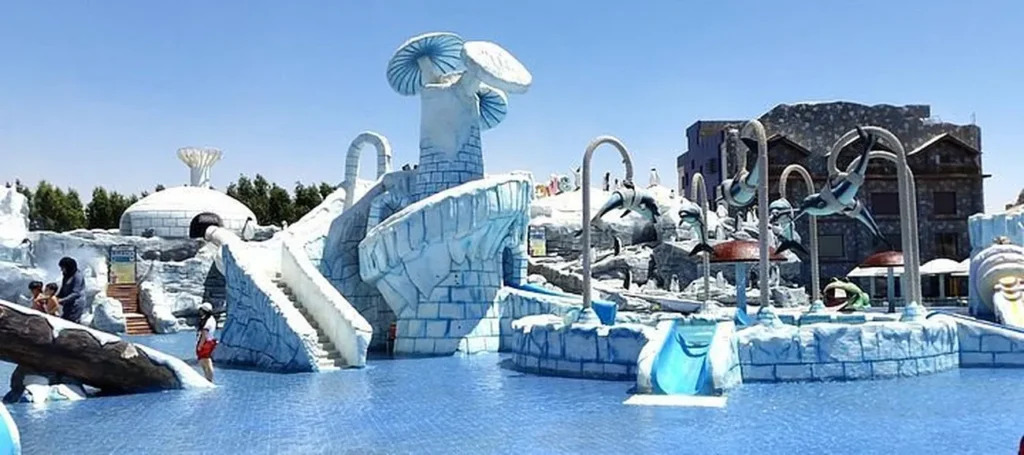
Iceland Water Park has long been regarded as one of the most recognizable family-oriented destinations in Ras Al Khaimah, complementing the classic set of queries such as “what to see in Ras Al Khaimah” and “Ras Al Khaimah attractions.” For families with children, facilities like this are particularly important: they make a destination more versatile, allowing visitors to balance beach time, sightseeing, and entertainment, while also increasing the emirate’s appeal for longer stays. The presence of family infrastructure often influences not only travel decisions, but also choices related to relocation or property investment.
On the official UAE government portal, Ras Al Khaimah is presented as a destination offering a diverse mix of experiences—from beaches and mountains to family-oriented and resort-style leisure. In this context, water parks traditionally play an important role: they enhance comfort for families and, as a result, support demand for seafront apartments in the UAE, long-term rentals, and housing in well-developed areas.
Family-oriented entertainment facilities are just as important for the real estate market as beaches or hotels—they are what create a comfortable environment for long-term living with children.
At the same time, there is an important practical consideration: the operational status of Iceland Water Park should always be confirmed prior to visiting. In the UAE, such attractions may undergo seasonal changes, rebranding, temporary closures, or adjustments in operating schedules. For this reason, it is essential to verify up-to-date information on the official Ras Al Khaimah Tourism Development Authority website, through booking platforms, or directly with the venue.
Location and How to Get There
Iceland Water Park is located in Al Jazirah Al Hamra, a well-connected area of Ras Al Khaimah. From a logistical perspective, this is a convenient part of the emirate, offering relatively quick access to both resort clusters and residential districts. Historically, this made the park a popular family attraction for visitors staying in Al Hamra, Al Marjan Island, and nearby hotel complexes.
Approximate travel times:
- from Al Hamra — around 10–15 minutes;
- from Al Marjan Island — approximately 15–25 minutes;
- from Ras Al Khaimah city center — about 20–30 minutes;
- from Dubai — roughly 1 hour 10 minutes to 1 hour 40 minutes.
The main ways to get there:
- Rental car — the most convenient option for families. Basic car rental rates typically range from $35 to $70 per day.
- Taxi — a practical solution for trips from hotels or residential areas. Fares within the emirate usually range from $15 to $35, while trips from Dubai cost approximately $70 to $120.
- Hotel transfer — occasionally offered by resorts or tour operators, particularly during peak season.
For family visits, it is important to consider not only travel logistics but also the overall pace of the day: water parks are generally best visited in the morning or close to opening time, when temperatures are more comfortable and queues tend to be shorter.
If the park is operational during your travel dates, the optimal strategy for families is to arrive early in the day to avoid heat and make the most of the facilities.
What to Expect
The concept of Iceland Water Park is primarily geared toward family and child-friendly entertainment. Unlike high-adrenaline attractions such as Jais Flight, the focus here is on safe recreation—water slides, play areas, pools, and shared spaces designed for parents and children to enjoy together. From a tourism perspective, this is particularly important: family-oriented venues broaden the destination’s appeal and diversify its visitor base.
A typical water park infrastructure includes:
| Zone | Description | Best suited for |
|---|---|---|
| Children’s water play areas | Shallow pools, play structures, and mini slides | Families with young children |
| Family slides | Moderate-intensity attractions suitable for shared rides | Parents with school-age children |
| Wave pool and relaxation zones | Spaces for отдых without intense activity | Families combining active and relaxed leisure |
| Food court and service areas | Cafés, beverages, seating areas, and locker rentals | All visitor categories |
| Thematic design | A visual concept tailored to family audiences | Visitors with children and those seeking a visually engaging experience |
From a practical standpoint, locations like this are especially useful in several scenarios:
- when a family is staying in the emirate for more than 3–5 days and wants to diversify a beach-focused itinerary;
- when the trip is centered around children rather than purely sightseeing;
- when considering long-term living, and evaluating how suitable the region is for everyday family life.
For property buyers, family infrastructure is far from a secondary factor. Areas that combine beaches, schools, retail facilities, and entertainment venues are generally perceived as more comfortable for everyday living. This is why topics such as Al Hamra Village real estate, Ras Al Khaimah property, and where to stay in Ras Al Khaimah often overlap: a family tourist can easily become a future tenant or buyer.
Family infrastructure enhances the value of an area not only for leisure, but also for long-term rental demand and property investment.
More broadly, Iceland Water Park is significant not only as a standalone attraction, but as an indicator of the overall quality of the environment. An emirate that offers not just resorts and natural landmarks, but also everyday family leisure options, is perceived as more stable and livable—especially for those considering relocation with children.
Pricing and Opening Hours
Given that such attractions may undergo repositioning, renovation, or changes in operating conditions, all pricing and opening hours should be treated as indicative only. It is essential to confirm current details through official channels before planning a visit.
Below are typical price ranges for budgeting purposes:
| Expense | Estimated Cost | Notes |
|---|---|---|
| Adult ticket | $25–$45 | Seasonal promotions and special rates may apply |
| Child ticket | $15–$30 | Depends on age and height requirements |
| Family package | $70–$140+ | Available depending on promotional offers |
| Lockers and services | $5–$15 | Usually charged separately if needed |
| Food and beverages | $10–$30 per person | Varies depending on the type of venue |
In terms of operating hours, water parks in the UAE typically follow this schedule:
- daily daytime operation — approximately from 10:00 AM to 6:00 PM;
- extended hours during weekends or peak season — sometimes until 7:00–8:00 PM;
- technical closures or seasonal adjustments — possible during hotter months or maintenance periods.
Before planning a family visit, it is advisable to confirm:
- whether the park is open on your intended dates;
- if there are height or age restrictions for specific attractions;
- whether all areas are included in the ticket;
- if entry is permitted for younger children and what supervision rules apply;
- whether discounted or family rates are available.
Before visiting Iceland Water Park, it is essential to verify its current operational status, as this is the key factor for accurate itinerary and budget planning.
Iceland Water Park is best understood as a component of the emirate’s family-oriented infrastructure. Even if its current operational status requires verification, its role within Ras Al Khaimah’s tourism ecosystem remains illustrative: the region is designed not only for short-term beach holidays, but also for комфортное stays for families with children. For travelers, this is an important consideration when choosing a destination; for property buyers, it is an additional argument in favor of areas where family leisure, beachfront living, and everyday infrastructure are all within convenient reach.
7. Al Marjan Island — A Coastal Destination of Beaches and Resorts
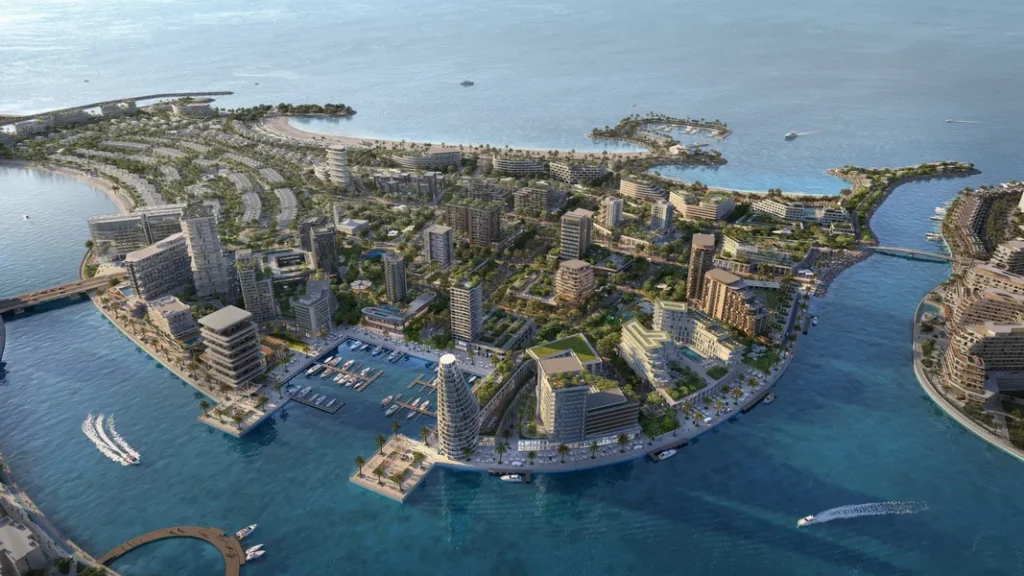
Al Marjan Island is one of the most recognizable locations in the emirate and, in many ways, a showcase of Ras Al Khaimah’s modern resort development. It is not just a coastal leisure area, but a large-scale island project that brings together beaches, hotels, promenades, restaurants, family-friendly infrastructure, and seafront residential developments. This is why Al Marjan Island consistently ranks among the best places in Ras Al Khaimah, Ras Al Khaimah attractions, and top attractions in Ras Al Khaimah. On the official UAE government portal, Ras Al Khaimah is presented as an emirate that blends beach leisure, natural landscapes, and modern tourism infrastructure—and Al Marjan Island is one of the clearest examples of this approach.
From a practical perspective, the island appeals to several types of visitors. For tourists, it provides a straightforward answer to the question “what to see in Ras Al Khaimah” when the priority is the sea, comfort, and a resort-style atmosphere. For families, it offers a self-contained environment where everything—beach, accommodation, dining, and прогулки—is located within one area. For investors and property buyers, Al Marjan Island stands out as one of the emirate’s key coastal clusters, with particularly strong demand for seafront apartments in the UAE, waterfront real estate, and opportunities to buy property in Ras Al Khaimah.
Al Marjan Island is not only a resort destination, but also one of the main growth drivers for tourism, rental demand, and residential real estate in Ras Al Khaimah.
The man-made archipelago consists of several island segments extending into the sea, creating an extended coastline with a significant amount of prime beachfront. This feature has made the area especially востребованным: it combines privacy, open sea views, and long-term development potential. Up-to-date tourism information about the region and its resort zones is available on the official Ras Al Khaimah Tourism Development Authority website.
Location and How to Get There
Al Marjan Island is located along the Arabian Gulf coastline in the southwestern part of Ras Al Khaimah, near the districts of Al Hamra and Al Jazirah Al Hamra. In terms of accessibility, it is one of the most convenient resort areas in the emirate, with relatively quick connections both to Ras Al Khaimah city center and Dubai.
Approximate travel times:
- from Ras Al Khaimah city center — around 25–35 minutes;
- from Al Hamra — approximately 10–15 minutes;
- from Dubai International Airport — about 1 hour 5 minutes to 1 hour 30 minutes;
- from Sharjah — roughly 1 to 1.5 hours.
The main ways to get there:
- Rental car — the most convenient option, especially if you plan to combine your visit with other attractions in Ras Al Khaimah. Basic rental rates typically start from $35–$70 per day.
- Taxi — a practical solution for travel from hotels, the city center, or nearby districts. Fares from central Ras Al Khaimah usually range from $20–$35, and from Dubai approximately $70–$120.
- Private transfer — ideal for families, groups, or guests arriving directly at resort hotels.
Access to the island is straightforward, with a well-developed road network and seamless integration into the emirate’s resort infrastructure. Unlike historical or natural attractions, Al Marjan Island does not require any special preparation—it is a комфортная coastal destination with clear logistics and a fully developed service environment.
A half-day is enough for an initial introduction to Al Marjan Island, but for a полноценный experience—or to evaluate it as a place to live—at least one to two days is recommended.
What to Expect
The main appeal of Al Marjan Island lies in the fact that it is not a single attraction, but a fully integrated resort environment. There is no need to plan complex маршруты between distant points—most experiences are concentrated within one area. This is why the query “Al Marjan Island vacation” is often associated not with a short visit, but with an extended stay.
Key highlights include:
| Location / Experience | Description | Best suited for |
|---|---|---|
| Beaches and coastline | Long stretches of shoreline with open sea views | Couples, families, and visitors focused on a beach lifestyle |
| Resort hotels | Accommodation across various categories with beach access, pools, and dining options | Guests seeking a seamless, self-contained holiday experience |
| Promenades and walking areas | Spaces for evening strolls, jogging, and relaxed leisure | Families, residents, long-stay visitors, and tenants |
| Restaurants and beachfront dining | Dining venues with sea views, ranging from casual cafés to resort restaurants | Visitors who appreciate a спокойный resort atmosphere |
| Water activities | From basic beach развлечения to hotel-based water services | Active travelers and families with older children |
The overall atmosphere of the area deserves special attention. Unlike more dynamic urban districts, Al Marjan Island is defined by a resort-oriented pace of life—open sea views, lower-density development, reduced visual noise, and a walkable environment. For many travelers, this is the key reason to choose Ras Al Khaimah, particularly when comparing it to Dubai. Here, the lifestyle feels more relaxed, less crowded, and distinctly vacation-oriented.
For family travel, the island’s main advantage is its predictability and convenience. Short distances between the beach, accommodation, pool, restaurants, and walking areas make it especially comfortable for those traveling with children. This makes Al Marjan Island highly appealing for visitors who prefer a relaxed coastal stay rather than an интенсивная sightseeing itinerary.
Al Marjan Island is one of the few locations in the emirate where tourism, family living, and investment potential converge in a single area.
From an investment perspective, this convergence is key. The area is not only a destination for leisure, but also a logical hub for resort-style apartments, branded residences, short-term rental properties, and premium beachfront developments. Visitors arrive for the sea and hospitality, while potential buyers gain a firsthand understanding of how the area functions in practice—how accessible the beaches are, how active the infrastructure feels, and how well daily comfort is organized. This is why Al Marjan Island holds a prominent place in searches related to investing in Ras Al Khaimah and Ras Al Khaimah property investment.
Pricing and Opening Hours
One of the key advantages of Al Marjan Island is that the destination itself does not require an entry fee. Expenses depend entirely on the chosen experience—whether it’s a walk, a beach day, a hotel stay, seaside dining, or access to resort facilities.
Typical costs include:
| Expense | Estimated Cost | Notes |
|---|---|---|
| Island access | Free | Open resort area accessible for driving and walking |
| Mid-range to upper mid-range hotel stay | $120–$250 per night | Varies depending on season, hotel category, and room type |
| Premium resort hotel | $250–$500+ | Prices may increase during peak season |
| Day pass (beach and pool access) | $25–$100+ | Depends on the hotel, day of the week, and included services |
| Lunch or dinner | $15–$50 per person | Average range excluding high-end venues |
| Water activities | $20–$80+ | Depends on the type and duration of activity |
In terms of operating hours, it is important to distinguish between the island itself and the facilities within it:
- roads, promenades, and general resort areas — typically accessible daily, including evenings;
- hotel beaches — operate according to individual resort policies and are usually available to guests or via day passes;
- restaurants and cafés — generally open from morning to late evening, approximately 8:00–10:00 AM to 10:00–11:00 PM;
- pools, beach clubs, and water activities — typically operate during daytime hours, usually 9:00 AM to 6:00 PM.
Seasonality is an important factor to consider. The most comfortable period for прогулки and beach отдых is typically from October to April, when temperatures allow for extended outdoor activity. During the summer months, the island remains attractive due to its hotel infrastructure, but daytime outdoor activities require more careful planning.
If your goal is not just to visit the island but to evaluate it as a place for отдыха or potential property investment, it is best to plan an overnight stay.
Al Marjan Island holds a unique position among Ras Al Khaimah attractions, as it combines multiple use cases: beach leisure, family-friendly living, resort lifestyle, and investment potential. It is one of the few locations in the emirate where visitors can experience not only a scenic coastline, but also a fully developed environment for seaside living—with clear logistics, high-quality services, and consistent demand for accommodation. This is why the island remains a key destination for those exploring what to see in Ras Al Khaimah while simultaneously considering opportunities in the region’s real estate market.
8. National Museum of Ras Al Khaimah — The Emirate’s History and Heritage
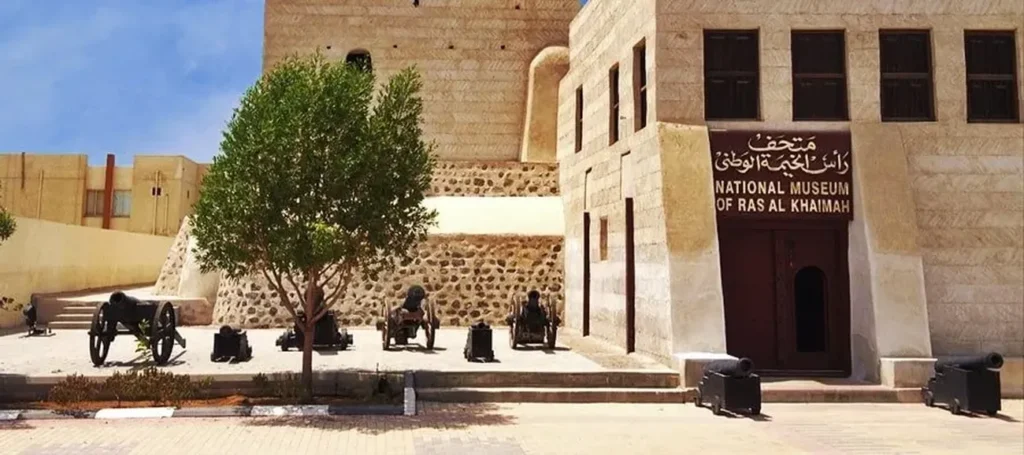
The National Museum of Ras Al Khaimah is one of the emirate’s key cultural landmarks and an essential stop for those who want to understand the region beyond its beaches, mountains, and resort infrastructure. While natural and entertainment attractions answer the question “what to see in Ras Al Khaimah” from a leisure perspective, the museum offers a different dimension—historical, social, and cultural. It is here that visitors gain insight into how the emirate developed, how local communities lived before the oil era, and the roles played by trade, fishing, pearl diving, and fortified settlements.
According to the official UAE government portal, Ras Al Khaimah is known not only for its natural diversity, but also for its significant historical heritage. The National Museum brings this heritage together in its most concentrated form. For tourists, it enriches any itinerary within the category of Ras Al Khaimah attractions, while for those considering the emirate as a place to live, it reveals a region with a distinct identity rather than just a resort destination.
The National Museum of Ras Al Khaimah is a fundamental cultural reference point—without it, any impression of the emirate remains incomplete.
The museum’s value is further enhanced by its location within a historic building. The site itself is as compelling as the exhibitions it houses, making it especially appealing for those seeking interesting places in Ras Al Khaimah beyond standard resort experiences.
Location and How to Get There
The National Museum of Ras Al Khaimah is located in the central part of the city, within a historic district, making it one of the most accessible attractions in terms of logistics. Unlike destinations such as Jebel Jais, desert routes, or coastal island clusters, visiting the museum does not require a long dedicated trip. It can easily be incorporated into a one-day city itinerary or combined with visits to the waterfront, old neighborhoods, and other cultural sites.
Approximate travel times:
- from central Ras Al Khaimah — typically 10–20 minutes;
- from Al Hamra and Al Marjan Island — approximately 25–40 minutes;
- from Dubai — around 1 hour 15 minutes to 1 hour 45 minutes, depending on location and traffic conditions.
The main ways to get there:
- Taxi — the most convenient option for tourists staying in hotels or residential complexes. Trips within the emirate usually cost around $8–$25, depending on distance.
- Rental car — a practical solution if the museum is part of a broader itinerary. Car rental typically starts from $35–$70 per day.
- Private transfer — suitable if the visit is combined with other historical sites such as Dhayah Fort or the old districts of the city.
Up-to-date information about tourist locations, including cultural sites, is available on the official Ras Al Khaimah Tourism Development Authority website. From a practical standpoint, the museum is best visited in the first half of the day, when it fits most naturally into a city-based itinerary.
Thanks to its central location, the museum is ideal even for visitors with limited time who want to explore Ras Al Khaimah attractions without long travel distances.
What to Expect
The main value of the National Museum lies in its comprehensive presentation of the emirate’s development—from early archaeological periods to later tribal and urban history. The exhibition is generally easy to follow: rather than being purely academic, it provides a clear and structured understanding of how life in the region evolved.
Key thematic sections include:
| Exhibition Section | What It Includes | Why It Matters |
|---|---|---|
| Archaeology | Artifacts, ceramics, household items, and materials from early settlements | Demonstrates the deep historical roots of the region beyond its modern development |
| Traditional lifestyle | Clothing, domestic objects, craft elements, and everyday tools | Provides insight into life before urbanization |
| Pearl diving and maritime heritage | Exhibits related to trade, fishing, and pearl harvesting | Explains the economic foundation of the region prior to the oil era |
| Governance and political history | Documents and objects related to the emirate’s administrative development | Offers context for the political evolution of Ras Al Khaimah |
| The museum’s architectural setting | The historic building, courtyards, and defensive design elements | The space itself is part of the experience, not just the exhibits |
The museum is particularly valuable for those who want to explore not only tourist attractions in Ras Al Khaimah, but also the foundations of its local identity. The exhibitions clearly highlight the emirate’s connection to the sea, trade routes, and traditional ways of life. This is also important from a broader perspective: when potential property buyers evaluate not only beaches and prices but also the overall quality of the environment, the presence of such cultural institutions enhances the region’s appeal.
The museum is especially relevant in several scenarios:
- when staying in the emirate for more than one day and looking to enrich the trip with cultural experiences;
- when exploring what to see in Ras Al Khaimah beyond the beach;
- when assessing whether the emirate is suitable not only for vacations but also for long-term living;
- when planning an itinerary that combines history, urban spaces, and nature.
For families with children, the museum can also be a good option—particularly as a way to diversify the itinerary with a calmer, less physically demanding activity. Unlike extreme attractions or long mountain trips, the visit is relaxed and typically requires a manageable amount of time.
The National Museum of Ras Al Khaimah strengthens the perception of the emirate as a complete living environment: a place with museums, history, and cultural continuity is always more устойчивый than a destination built solely around resort demand.
Pricing and Opening Hours
From a financial perspective, the museum is one of the most affordable attractions in the emirate. This makes it particularly appealing for travelers who want to include a meaningful cultural stop without significantly increasing their travel budget.
Approximate visit details:
| Parameter | Estimated Value | Notes |
|---|---|---|
| Adult admission | $1–$3 | One of the most affordable cultural attractions in the emirate |
| Children’s / discounted entry | $0.5–$2 or as per policy | Depends on age and current regulations |
| Taxi from city center | $8–$15 | Suitable for short urban trips |
| Taxi from Al Hamra / Al Marjan Island | $15–$25 | Depends on the starting point |
| Visit duration | 45–90 minutes | Typical time for a relaxed exploration of the exhibits |
In terms of opening hours, the museum generally operates on a daytime schedule. Cultural institutions in the emirate typically follow hours within the first and second halves of the day, for example approximately 9:00 AM to 5:00 PM, or a similar structure. However, hours may vary depending on the season, weekends, public holidays, and internal policies.
When planning your visit, it is advisable to:
- confirm the current opening hours for your travel date;
- allow time for travel if combining the museum with other attractions;
- visit during daylight hours, when both the museum and the surrounding historic district are most enjoyable;
- consider it as part of a combined itinerary, especially when traveling with family.
In terms of value for money, content, and accessibility, the National Museum of Ras Al Khaimah is one of the most efficient and rewarding cultural stops in the emirate.
The National Museum of Ras Al Khaimah holds an important place among the region’s cultural landmarks. It does not compete with beaches, mountains, or resorts, but rather complements them, creating a more complete understanding of the emirate. For travelers, it provides a compelling answer to “what to see in Ras Al Khaimah” when seeking more than just leisure; for future residents and investors, it serves as a clear indication that Ras Al Khaimah is not simply a growing real estate market, but a region with history, cultural memory, and a well-defined identity.
9. Al Hamra Village — A Resort Community with Golf
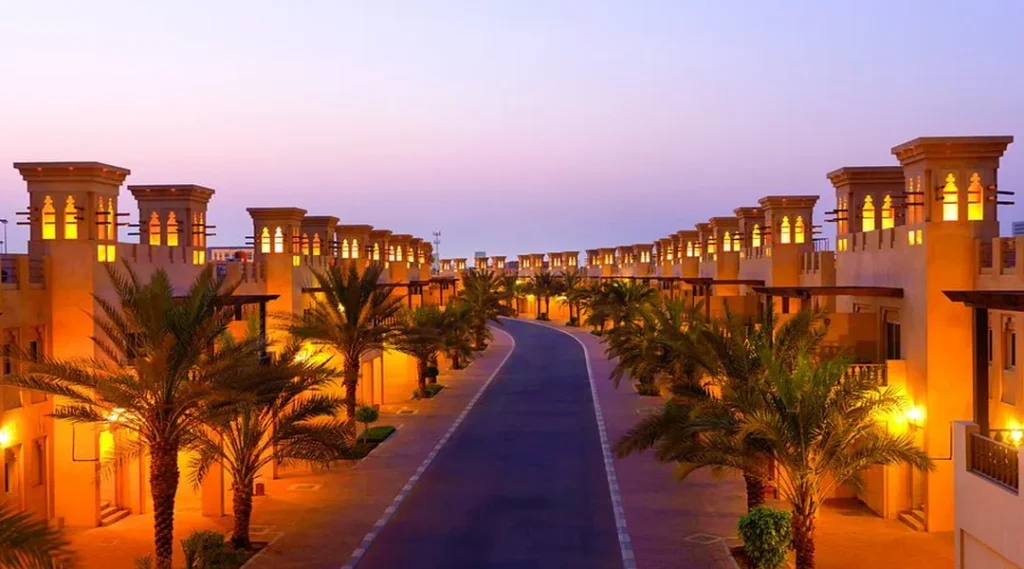
Al Hamra Village is one of the most well-balanced districts in Ras Al Khaimah, where a resort-style lifestyle seamlessly blends with a fully developed residential environment. While Al Marjan Island is often perceived as a vibrant coastal hub with strong tourist dynamics, Al Hamra Village offers a calmer, more structured setting that is better suited for everyday living. This is why the area is frequently considered not only in the context of “what to see in Ras Al Khaimah”, but also through search queries such as Al Hamra Village real estate, buy property in Ras Al Khaimah, and seafront property UAE.
The district operates on multiple levels: it features golf infrastructure, a marina, beaches, hotels, restaurants, pedestrian areas, and residential developments. For tourists, it offers a comfortable resort environment without excessive density or crowding. For families, it provides a well-organized setting where essential services are close at hand. For investors, it represents a location with consistent demand for both rentals and long-term living. General information about the emirate’s tourism potential and key areas is available on the official UAE government portal, while updated destination insights can be found on the official Ras Al Khaimah Tourism Development Authority website.
Al Hamra Village is one of the few locations in the emirate where tourist comfort, family living, and investment appeal are successfully combined within a single district.
From a broader perspective, the area plays an important role in shaping the perception of Ras Al Khaimah. It demonstrates that the emirate is not just a collection of attractions, but a fully functional coastal living environment, where leisure, sports, and daily infrastructure operate as an integrated system.
Location and How to Get There
Al Hamra Village is located in the southern coastal part of Ras Al Khaimah, near Al Jazirah Al Hamra and close to Al Marjan Island. In terms of accessibility, it is one of the most convenient destinations for those arriving from Dubai or Sharjah and looking to stay in a resort area without lengthy internal transfers.
Approximate travel times:
- from central Ras Al Khaimah — about 20–30 minutes;
- from Al Marjan Island — approximately 10–15 minutes;
- from Dubai International Airport — around 1 hour 5 minutes to 1 hour 30 minutes;
- from Sharjah — approximately 1–1.5 hours.
Main ways to get there:
- Rental car — the most convenient option if you plan to explore not only Al Hamra but also other attractions in Ras Al Khaimah. Basic rental rates typically start from $35–$70 per day.
- Taxi — a practical option from hotels, airports, or nearby districts. A ride from the city center usually costs around $15–$30, while from Dubai it is approximately $70–$120.
- Private transfer — ideal for families, hotel guests, or property buyers visiting for viewings.
One of the key logistical advantages of the area is its proximity to major resort destinations while maintaining a more private and relaxed atmosphere. For many, this provides a practical answer to the question of how Ras Al Khaimah differs from Dubai: less traffic, lower visual density, and a stronger sense of resort-style living.
Al Hamra Village is especially appealing for those who want to live or vacation by the sea without sacrificing access to services, shops, restaurants, and walkable infrastructure.
What to Expect
Unlike traditional sightseeing spots, Al Hamra Village is defined not by a single landmark but by the overall quality of its environment. It is best understood as a cohesive resort-residential cluster where major lifestyle elements—beach, marina, golf, dining, and housing—are all located within a well-organized area.
Key components of the district include:
| Location / Format | Description | Practical Value |
|---|---|---|
| Al Hamra Golf Club | A resort-level golf facility with landscaped greens and a club atmosphere | Enhances the premium image of the area and attracts higher-spending visitors |
| Marina and waterfront area | Promenade spaces, water views, cafés, and a relaxed resort ambiance | Ideal for everyday leisure and long-term living |
| Beaches and hotels | Coastal resorts and beach zones with service access | Convenient for tourists and short-term rentals |
| Residential developments | A mix of villas, apartments, and seaside living options | Direct interest for buyers and investors |
| Restaurants, cafés, and retail | Daily services located within the district | Enhances convenience without frequent travel to other areas |
From a tourism perspective, Al Hamra Village is particularly appealing to those who prefer a relaxed beach lifestyle. Visitors come here not for one-off attractions, but for the quality of everyday experiences: morning walks along the waterfront, a round of golf, dinner by the marina, time at the pool, and an overall sense of space and calm. This format is especially popular among families, couples, and travelers staying in the emirate for several days rather than just a short visit.
The golf component deserves special attention. In real estate terms, a golf course is not merely a leisure feature—it is a marker of prestige and long-term value. Properties near golf courses are traditionally perceived as more exclusive, and such locations tend to attract buyers who prioritize not only returns but also quality of lifestyle. This is why Al Hamra Village is often considered a key entry point into the Ras Al Khaimah property investment segment.
The area is also well-suited for family living. Within and around the district, there is easy access to beaches, hotels, restaurants, retail, and quiet public spaces. This makes Al Hamra Village suitable not only for vacations but also for longer stays, including second-home ownership or seasonal relocation.
For many buyers, Al Hamra Village becomes not just an investment opportunity, but a clear answer to the question: “Where is the best place to live by the sea in Ras Al Khaimah?”
From an investment standpoint, the area performs particularly well in two scenarios:
- short-term rentals — driven by proximity to the beach, hotels, golf, and resort infrastructure;
- long-term living — supported by a more stable and livable environment compared to purely tourist-focused clusters.
Pricing and Practical Details
One of the advantages of Al Hamra Village is that the district itself does not require an entrance fee. It is an open resort-residential environment where expenses depend on your chosen lifestyle—hotel stays, dining, golf, beach club access, or property rental.
Estimated costs:
| Expense Category | Approximate Cost | Notes |
|---|---|---|
| Access to the area / прогулки | Free | Open area for walking and driving |
| Resort hotel stay (per night) | $110–$250 | Higher during peak season and for beachfront locations |
| Premium accommodation | $250–$450+ | Depends on hotel category, views, and season |
| Beach / pool day pass | from $25 to $80 | Varies by hotel or beach club |
| Golf / practice session | from $40 to $120+ | Depends on time, season, and package |
| Mid-range dining | $15–$40 per person | Excludes high-end restaurants |
| Short-term apartment rental | $80–$180 per night | Depends on season, size, and proximity to the sea |
For those evaluating the area as a residential destination, approximate property prices are as follows:
| Property Type | Approximate Price | Notes |
|---|---|---|
| Studio / small apartments | $120,000–$180,000 | Entry-level range for part of the market |
| 1-bedroom apartments | $160,000–$260,000 | Depends on building, view, and proximity to the beach |
| 2-bedroom apartments | $250,000–$420,000+ | Higher for premium views and renovated units |
| Townhouses and villas | $380,000–$900,000+ | Strongly зависит от площади, линии и типа объекта |
As for operating hours, it is important to distinguish between the district itself and its internal facilities:
- streets and public spaces — accessible daily, essentially without restrictions;
- restaurants and cafés — typically open from 8:00–10:00 AM to 10:00–11:00 PM;
- golf club and sports facilities — operate on their own schedules, usually from early morning to evening;
- beach and hotel areas — access depends on individual hotel or club policies;
- sales offices and developer showrooms — generally open from 10:00 AM to 7:00 PM.
When visiting with an investment focus, it is advisable to schedule your trip on a weekday and evaluate not only the beachfront, but also day-to-day livability: access roads, retail convenience, walkability, condition of public spaces, and overall occupancy levels.
Al Hamra Village is particularly revealing for property buyers: it allows you to see how the area functions in real life, not just in marketing materials.
Al Hamra Village is rightfully considered one of the most practical and перспективных areas in Ras Al Khaimah. For tourists, it offers a relaxed coastal environment with golf and resort comfort. For families, it provides a livable setting without overcrowding. For investors, it represents a district with clear rental demand and sustained interest in residential property. This is why Al Hamra Village holds an important place among Ras Al Khaimah attractions, while also remaining one of the most logical choices for those considering seaside living and property investment in the emirate.
10. Wadi Shawka — Nature and Outdoor Adventure
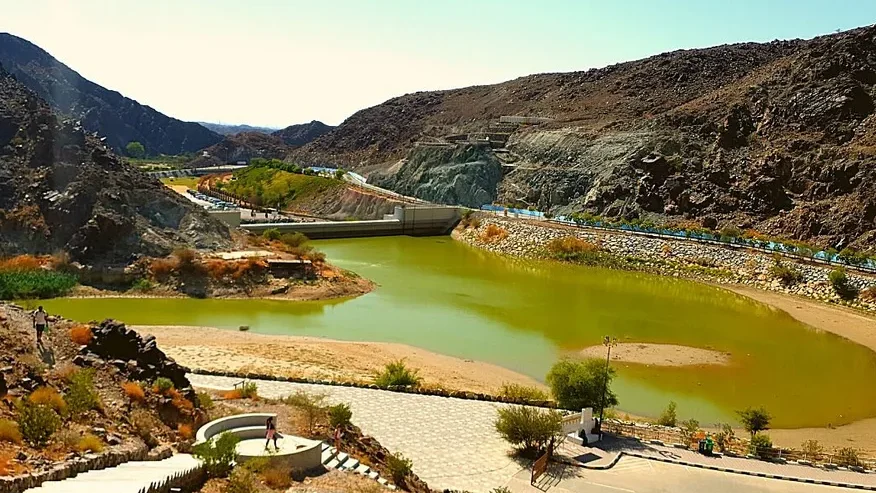
Wadi Shawka is one of the most compelling natural destinations for those looking to experience Ras Al Khaimah beyond the typical resort setting. While beaches and coastal areas cater to relaxation, and Jebel Jais offers dramatic mountain panoramas, Wadi Shawka reveals a different side of the emirate—rocky terrain, hiking trails, a scenic dam, cycling routes, and the opportunity for an active half-day or full-day escape. This is why it increasingly appears in lists of Ras Al Khaimah attractions, places to visit in Ras Al Khaimah, and where to go in Ras Al Khaimah.
From a tourism perspective, Wadi Shawka plays an important role in broadening the emirate’s appeal. According to the official UAE government portal, Ras Al Khaimah is known for its combination of coastline, mountains, and natural landscapes. Wadi Shawka is a prime example of this diversity, enhancing the region’s attractiveness for those who value outdoor activities, nature walks, and a more relaxed, nature-oriented lifestyle.
Wadi Shawka is not a traditional sightseeing landmark, but a natural destination that showcases just how diverse leisure in Ras Al Khaimah can be.
For potential residents and property buyers, locations like this also matter. Easy access to natural routes alongside resort and residential areas significantly improves quality of life. The emirate becomes appealing not just for short holidays, but for long-term living—where walking, sports, family outings, and access to nature are part of everyday life.
Location and How to Get There
Wadi Shawka is located inland, in a mountainous and semi-mountainous area near Shawka Dam. It is neither an urban destination nor a resort cluster, which makes driving the most practical way to get there. Traveling by car allows for flexible stops at viewpoints, walking routes, and self-paced exploration.
Estimated travel times:
- from central Ras Al Khaimah — around 45–60 minutes;
- from Al Hamra and Al Marjan Island — approximately 50–75 minutes;
- from Dubai — about 1 hour 15 minutes to 1 hour 45 minutes, depending on your starting point;
- from Sharjah — roughly 1–1.5 hours.
Main ways to get there:
- Rental car — the most convenient option. Car rental in the UAE typically starts from $35–$70 per day.
- Taxi or private transfer — possible, but less practical for return trips from a remote natural area. Approximate cost: $35–$70 from within the emirate, and $80–$140 from Dubai.
- Organized outdoor tours — suitable for those who prefer not to plan independently, though less common than self-driven visits.
It’s important to note that Wadi Shawka is a natural environment rather than a structured attraction with formal entry points or extensive infrastructure. Before visiting, it’s advisable to check updated information on the official Ras Al Khaimah Tourism Development Authority website, and to plan your route, water supply, and return time in advance.
For the most comfortable experience—especially in warmer months—it’s best to visit Wadi Shawka early in the morning.
What to See and Do
The main appeal of Wadi Shawka lies in its variety of natural experiences. It’s not just a quick photo stop, but a destination suited for a more meaningful outing—whether that’s walking, light hiking, exploring the dam, enjoying a picnic, or spending an active day outdoors.
Key highlights include:
| Location / Activity | Description | Best suited for |
|---|---|---|
| Shawka Dam | A signature landmark with open views over the terrain and water catchment system | Visitors seeking scenic views without long hikes |
| Hiking trails | Walking routes of varying lengths across rocky and mountainous terrain | Outdoor enthusiasts and hiking lovers |
| Cycling routes | Tracks popular among MTB and gravel riders | Those looking for an active, sport-oriented experience |
| Viewpoints | Natural vantage points overlooking dry riverbeds, rocky formations, and hills | Photographers, families, and casual visitors |
| Picnic areas | Relaxed outdoor spaces away from beach environments | Families and half-day visitors |
A defining feature of Wadi Shawka is its route-based experience. Unlike city promenades or resort settings, the visit revolves around terrain and natural space. Visitors can choose their level of activity—from a short walk near the dam to more engaging hikes along established trails. This flexibility makes the destination accessible to both casual visitors and more active explorers.
From a practical perspective, Wadi Shawka works particularly well for:
- short morning outings (2–4 hours) — dam visit, light walking, photography;
- half-day active trips — hiking, trails, picnics;
- family outings — a relaxed introduction to nature without complex logistics;
- sports-focused visits — trail walking, cycling, and outdoor training.
Unlike beach resorts or hotel zones, Wadi Shawka stands out for its authenticity. There is no artificial resort styling here—just a raw natural landscape, offering a striking contrast to the common perception of the UAE as purely urban and resort-driven.
Wadi Shawka is especially valuable for those who want to experience Ras Al Khaimah not only as a beach destination, but as a region with a rich natural environment for sport, leisure, and family time.
From a broader perspective, destinations like this enhance the emirate’s quality of life. For tourists, it provides another compelling answer to the question of what to see in Ras Al Khaimah. For potential residents, it demonstrates that the region supports everyday living—not just seasonal stays.
Costs and Visiting Hours
Wadi Shawka is a low-cost destination, as there is typically no entrance fee. Most expenses are related to transport, food, water, and optional equipment.
Approximate costs:
| Expense | Estimated cost | Notes |
|---|---|---|
| Entry / access | Free | No formal ticket required |
| Car rental | $35–$70 per day | Most practical transport option |
| Taxi from Ras Al Khaimah | $35–$70 | Depends on distance and waiting time |
| Transfer from Dubai | $80–$140 | Estimated range for private transport |
| Water, snacks, basic supplies | $5–$20 per person | Essential for comfort |
| Equipment / gear | Varies | Depends on activity level |
As a natural destination, Wadi Shawka does not operate on a fixed schedule, but visits are generally aligned with daylight hours. The most comfortable timing is:
- early morning to around 10:30–11:00 AM — ideal for hiking and walking;
- late afternoon before sunset — suitable for shorter visits, especially in cooler months;
- midday — less recommended due to heat and sun exposure.
For a safe and enjoyable visit, keep the following in mind:
- bring plenty of water;
- wear comfortable, closed-toe shoes with good grip;
- use sun protection and headwear;
- plan your route and return time in advance;
- avoid challenging trails without preparation, especially if alone.
The best time to visit Wadi Shawka is between October and April, when outdoor activities are most comfortable.
Wadi Shawka holds an important place among the emirate’s natural attractions, adding depth to Ras Al Khaimah as both a lifestyle and travel destination. For tourists, it offers a compelling alternative to a purely beach-focused holiday. For families, it provides a relaxed nature escape. For property buyers, it serves as further evidence that the emirate offers not just resorts and coastline, but a high-quality outdoor environment that enhances everyday life.
Where to Live Near Key Attractions
Choosing the right area in Ras Al Khaimah depends not only on budget, but also on the lifestyle or investment strategy a buyer is pursuing. For some, the priority is beaches, hotels, and strong tourist demand; for others, it is a quiet environment for permanent living; and for a third group, a more accessible entry point into the property market. This is why it’s essential to evaluate not just the property itself, but also its surroundings—how close it is to Ras Al Khaimah’s main attractions, how convenient access is to beaches, mountain routes, museums, and resort zones, and how well the area supports everyday living.
Residential complexes in UAE


 Dubai Islands
 from 111м²
 Marsa Dubaifrom 253м²
 Al Jaddaf (Dubai)from 62м²
According to the official UAE government portal, Ras Al Khaimah combines coastal areas, mountain landscapes, historical landmarks, and modern resort clusters. In practice, this means you can choose a location suited both for property investment in Ras Al Khaimah and for personal residence. The three most commonly compared areas are Al Marjan Island, Al Hamra, and central Ras Al Khaimah.
If your goal is maximum rental liquidity, Al Marjan Island is typically the top choice. For a balance between living and leisure, Al Hamra stands out. If affordability and urban functionality are the priority, central RAK is often the most practical option.
| Area | Best suited for | Proximity to attractions | Approximate purchase range |
|---|---|---|---|
| Al Marjan Island | Investors, buyers of resort apartments, those seeking seafront property | Beaches, hotels, quick access to Al Hamra, resort infrastructure | from $170,000–$350,000+ |
| Al Hamra | Families, residents, buyers for living and rental purposes | Beaches, golf, marina, close to Al Marjan Island and the resort strip | from $120,000–$260,000+ |
| Central RAK | Those seeking affordability and an urban environment | National Museum, historic districts, easy access to Dhayah Fort and the north | from $90,000–$180,000+ |
Location and Accessibility
From a transport perspective, areas in Ras Al Khaimah differ significantly. This matters for both personal use and rental potential: the easier it is to access beaches, airports, and major attractions, the higher the practical value of the property.
Al Marjan Island is located in the southwestern coastal part of the emirate and is considered one of the strongest resort destinations. It offers convenient access to beaches, hotels, restaurants, and nearby Al Hamra. Travel time to the city center is around 25–35 minutes, and to Dubai International Airport approximately 1 hour 5 minutes to 1 hour 30 minutes. This area is especially attractive for those looking to buy property for short-term rental and seaside leisure.
Al Hamra, located next to Al Marjan Island, is perceived as more residential and спокойный. While still on the coast, it is better suited for long-term living. It provides convenient access to both beaches and the city. This combination makes it particularly popular among families and buyers considering Al Hamra Village real estate for both living and extended stays.
Central Ras Al Khaimah lies further from the resort coastline but offers stronger urban functionality. Daily essentials—shops, services, roads, and administrative infrastructure—are more easily accessible here. For trips to Jebel Jais, the National Museum of Ras Al Khaimah, and Dhayah Fort, a central location can often be more convenient than staying on the coast. Updated information about tourist zones and key destinations is available on the official Ras Al Khaimah Tourism Development Authority website.
For investors, it’s not just about a “beautiful location,” but about connectivity—this is what ultimately influences occupancy rates, length of stay, and long-term demand stability.
For clarity, transport dynamics can be summarized as follows:
| Area | Distance to the sea | To central RAK | To Jebel Jais | To Dubai |
|---|---|---|---|---|
| Al Marjan Island | First line / immediate access | 25–35 minutes | ~1.5 hours | 1:05–1:30 |
| Al Hamra | Close to beaches | 20–30 minutes | ~1.5 hours | 1:05–1:30 |
| Central RAK | Further from resort coastline | Within city area | 45–60 minutes | 1:15–1:45 |
What’s Nearby and Which Area to Choose
When selecting a location, it’s important to consider not just price and square footage, but also which attractions are nearby and what kind of lifestyle the area offers.
Al Marjan Island — for investment. This area is best suited for those focused on rental yield, resort demand, and the seafront apartment lifestyle in the UAE. It offers proximity to beaches, hotels, promenades, and restaurants, as well as quick access to Al Hamra. Its strong tourist environment makes it a common answer to the query buy property in Ras Al Khaimah. While suitable for personal use, its main advantage lies in its clarity and efficiency as a rental asset.
Al Hamra — for living. For those seeking both leisure and a comfortable daily rhythm, Al Hamra offers a more balanced environment. It combines golf, a marina, beaches, hotels, restaurants, and residential neighborhoods. Unlike purely tourist-focused areas, it provides a setting where everyday life feels natural—morning walks, errands, family routines, and long-term stays. This makes it a preferred choice for buyers looking for seafront property in the UAE for personal use.
Central RAK — for affordability. The city center is ideal for those looking to minimize entry costs while remaining close to cultural and administrative hubs. It provides easy access to the National Museum, historic districts, and northern routes including Dhayah Fort. However, it is less “resort-like” in atmosphere compared to Al Marjan Island or Al Hamra, but more practical for those prioritizing everyday convenience and lower prices.
If the goal is short-term rental income, coastal areas tend to outperform. For family living, Al Hamra is often the most balanced option. If price and urban practicality are the priority, central RAK is the logical choice.
Pricing and Infrastructure
For residential areas, “operating hours” apply not to the districts themselves, but to the infrastructure within them—sales offices, beach clubs, restaurants, retail, and service facilities. For buyers, this is important because the level of activity reflects how livable the area truly is.
Approximate price ranges for purchase and rental:
| Area | Purchase (starting range) | Short-term rental | Long-term rental |
|---|---|---|---|
| Al Marjan Island | from $170,000–$350,000+ | $90–$220 per night | $12,000–$22,000 per year |
| Al Hamra | from $120,000–$260,000+ | $80–$180 per night | $10,000–$20,000 per year |
| Central RAK | from $90,000–$180,000+ | $50–$110 per night | $7,000–$14,000 per year |
Typical operating hours for infrastructure:
- sales offices and showrooms — usually 10:00 AM to 7:00 PM;
- restaurants and cafés in resort areas — typically 8:00–10:00 AM to 10:00–11:00 PM;
- beach clubs and pools — generally 9:00 AM to 6:00 PM;
- urban services and retail — more extensive and dense in central areas.
When choosing a property, it is important to look beyond marketing materials and evaluate the real livability of the area: weekday activity levels, transport conditions, pedestrian infrastructure, evening atmosphere, and proximity to key attractions.
Ultimately, the choice between Al Marjan Island, Al Hamra, and central RAK comes down to three distinct strategies. Al Marjan Island excels in investment and resort liquidity. Al Hamra offers the best balance for coastal living. Central Ras Al Khaimah remains the most affordable option for those prioritizing urban functionality.
That is why the answer to the question of where to live near the attractions is not a single “best” area, but rather depends on what matters most: income potential, quality of life, or a разумный entry budget.
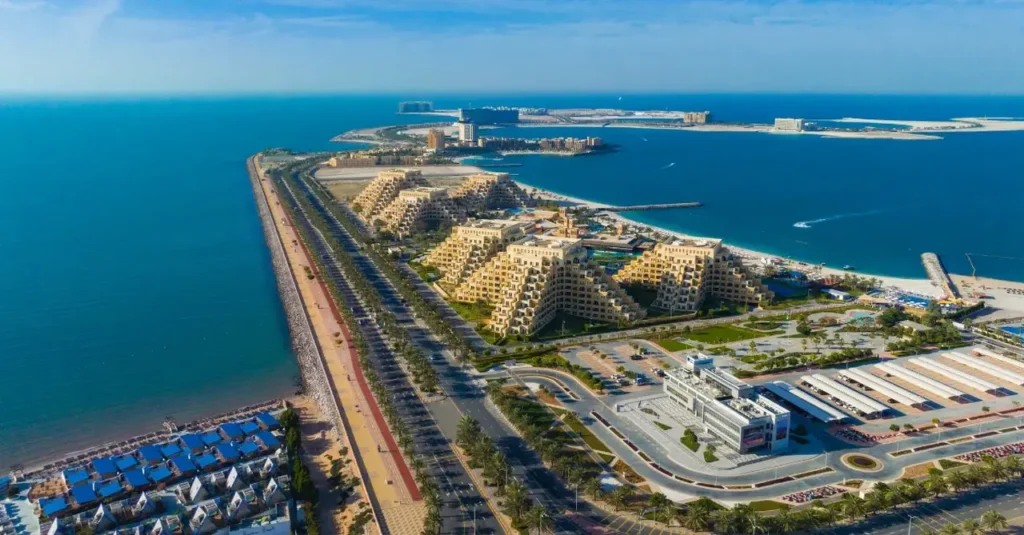
Ras Al Khaimah today is far more than just a holiday destination—it is an emirate that confidently combines tourist appeal, a high-quality living environment, and strong investment potential. The beaches of Al Marjan Island, the relaxed atmosphere of Al Hamra Village, the mountain routes of Jebel Jais, along with historical sites, family-friendly attractions, and natural landscapes, create a rare balance for the region. Here, you can vacation, live by the sea, rent out property, and at the same time benefit from ongoing infrastructure development. This is precisely why interest in Ras Al Khaimah real estate continues to grow steadily among both investors and buyers seeking a more спокойная alternative to crowded мегаполисы.
If you’re looking for a beachfront apartment, a villa for personal use, or an income-generating rental property, submit a request on our website. We’ll help you find the right property in Ras Al Khaimah tailored to your budget and goals—whether for relocation, investment, holidays, or capital preservation. We will curate up-to-date options in Al Marjan Island, Al Hamra, central RAK, and other promising areas, provide guidance on pricing, purchasing conditions for foreign buyers, and potential returns. Leave a request, and we will prepare a personalized selection of properties for you.
 Real estate in Georgia
 Real estate in Cyprus
 Real estate in Montenegro
 Real estate in Bali
 Real estate in Thailand
 +971 52 110 0777
 hello@baytique-uae.com
 UAE, Dubai, Dubai Hills Estate, Park Heights Square 1


 Get catalogue of TOP-7 objects